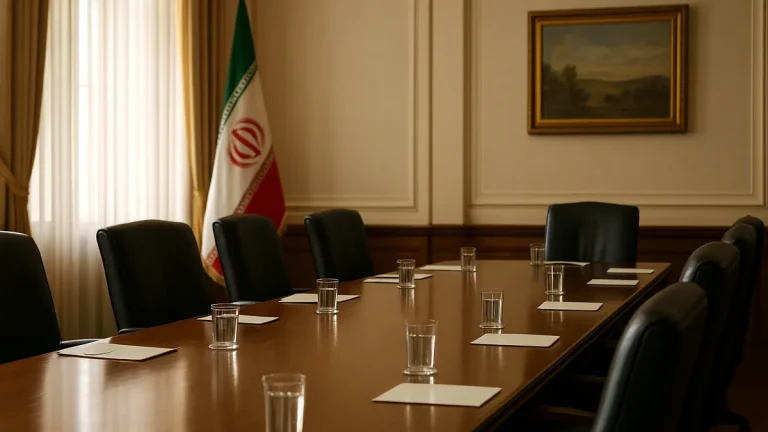
In a significant development, the upcoming summit between the United States and China is expected to result in an extension of the existing trade truce rather than a comprehensive agreement. This follows former President Trump’s earlier commitment to ‘open up’ China, which raised hopes for a major breakthrough in the strained economic relationship between the two global powers. Despite these expectations, analysts remain cautious, forecasting only modest progress given the complex and multifaceted nature of US-China tensions.
The trade truce, initially established to ease escalating tariffs and trade barriers, has played a crucial role in stabilizing economic interactions between Washington and Beijing. However, underlying issues such as intellectual property rights, technology transfer, and geopolitical rivalries continue to challenge negotiations. The summit is therefore seen as an opportunity to maintain dialogue and prevent further deterioration rather than resolve deep-seated conflicts.
Meanwhile, the global economic community watches closely as the outcome of this summit could influence international markets and supply chains. A prolonged trade truce may provide temporary relief to businesses affected by tariffs, but without substantial agreements, uncertainty is likely to persist. The summit’s limited scope underscores the ongoing complexities in US-China relations and highlights the cautious approach both sides are adopting amid broader strategic competition.