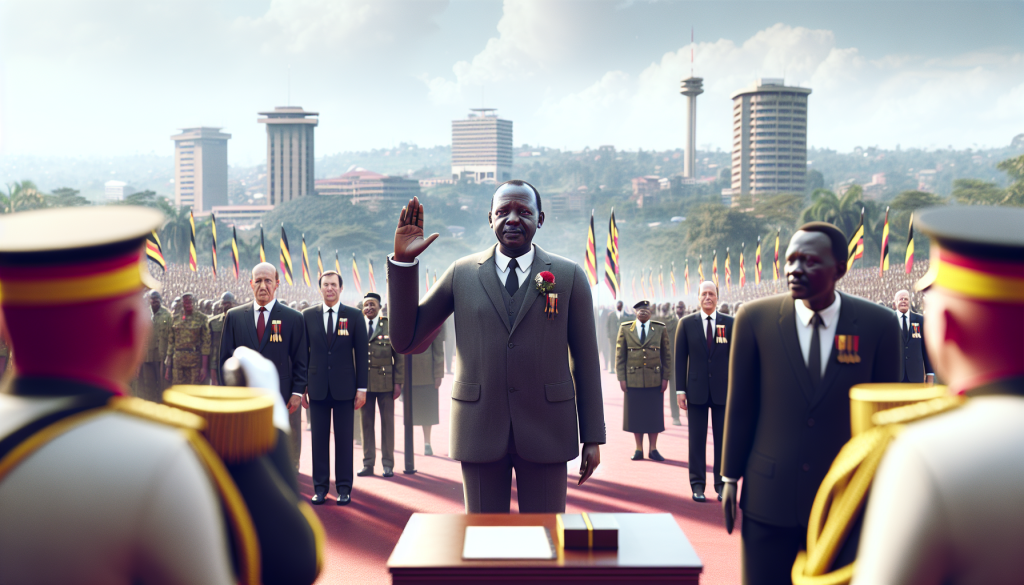
Yoweri Museveni, Uganda’s president, has been sworn in for an unprecedented seventh term at the age of 81. His inauguration follows the controversial elections held in January, which were marked by allegations of irregularities and disputes from opposition parties. Museveni’s continued leadership extends his rule over Uganda to more than 40 years, making him one of Africa’s longest-serving leaders. This milestone underscores his enduring influence in Ugandan politics despite growing calls for democratic reforms.
Since first coming to power in 1986, Museveni has maintained a firm grip on the country’s political landscape, navigating both internal challenges and regional conflicts. His administration has been credited with bringing relative stability and economic growth, yet critics argue that his extended tenure has stifled political competition and democratic development. The January elections intensified debates about governance, electoral transparency, and human rights in Uganda.
In a significant development for Uganda’s future, Museveni’s seventh term raises questions about the country’s political trajectory and the potential for change. The international community and local activists continue to monitor the situation closely, emphasizing the importance of inclusive governance and respect for democratic principles. Meanwhile, Museveni’s leadership remains a defining factor in Uganda’s domestic and regional affairs, shaping policies and alliances across East Africa.