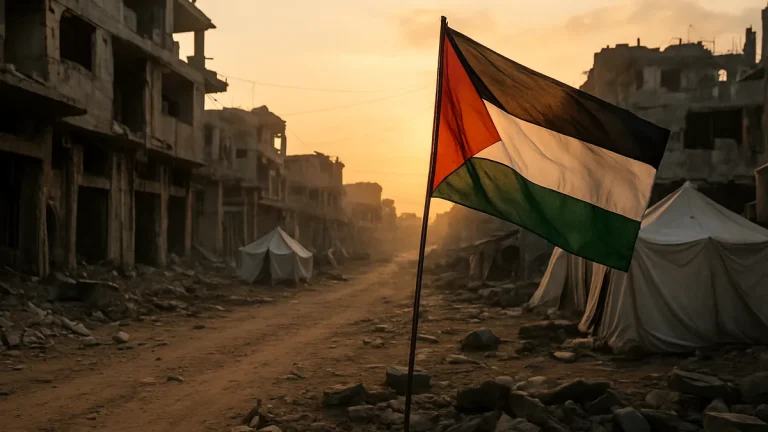
In the initial three months of 2026, violent confrontations between Taliban militants and Pakistani security forces escalated significantly, resulting in the deaths of over 370 Afghan nationals. The conflict saw a marked increase in airstrikes, particularly in February, which contributed to a high number of civilian casualties. This surge in hostilities highlights the ongoing instability along the Pakistan-Afghanistan border region, where militant activity and military operations frequently intersect.
Historically, the border areas have been hotspots for insurgent movements and cross-border tensions, complicating efforts to maintain peace and security. The intensified fighting in early 2026 underscores the fragile nature of the region’s security environment, where both state and non-state actors vie for control. The civilian toll from air raids raises serious humanitarian concerns, emphasizing the need for conflict de-escalation and protection of non-combatants.
In a significant development, the UN’s report draws international attention to the human cost of the ongoing conflict, potentially influencing diplomatic and humanitarian responses. The data serves as a stark reminder of the challenges faced by Afghanistan and Pakistan in achieving lasting peace and stability. Meanwhile, the situation remains volatile, with the potential to impact regional security dynamics and refugee flows in the months ahead.