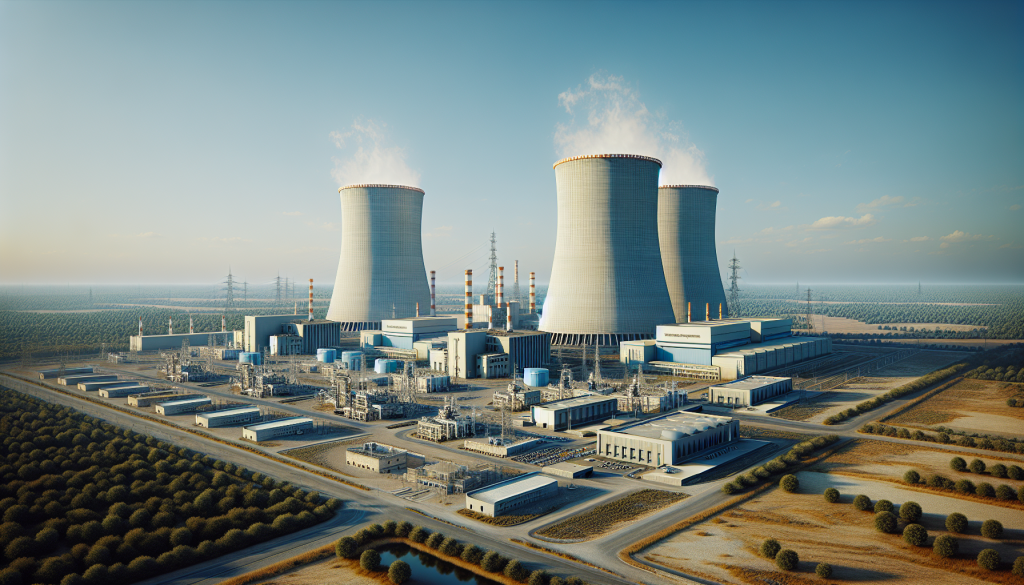
India is set to revise the safety perimeter around its nuclear reactors by reducing the size of exclusion zones. This initiative aims to free up land currently designated as restricted for nuclear safety, which could be repurposed for other developmental projects. The move reflects a strategic effort to optimize land use while maintaining necessary safety standards around critical infrastructure.
Historically, large buffer zones have been maintained around nuclear facilities to minimize risks in case of accidents, ensuring public safety and environmental protection. However, with increasing land scarcity and developmental pressures, authorities are reconsidering these zones to strike a balance between security and economic growth. This adjustment could potentially unlock significant tracts of land for industrial, residential, or agricultural use near existing nuclear sites.
In a significant development, this policy shift may also influence India’s broader energy and infrastructure planning, as it seeks to expand its nuclear power capacity while addressing land constraints. The decision underscores the government’s intent to harmonize safety protocols with sustainable development goals, potentially setting a precedent for other countries managing nuclear assets amid urban expansion.