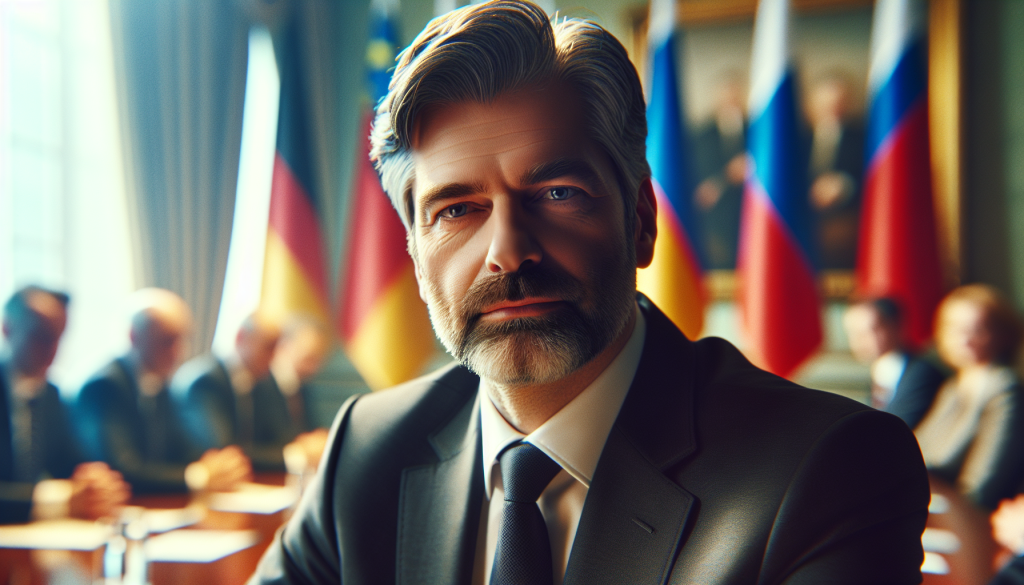
In a significant development, Russian President Vladimir Putin has selected Gerhard Schroeder, the former Chancellor of Germany, to mediate peace negotiations concerning the ongoing conflict in Ukraine. Schroeder, who served as Germany’s leader from 1998 to 2005, is known for his close ties with Russia and has maintained a controversial relationship with Putin over the years. His appointment as a mediator is seen as a strategic move by Moscow to influence the peace process through a figure familiar with both European and Russian political landscapes.
Meanwhile, Schroeder’s role as a peace broker has sparked debate regarding his acceptability to Ukraine and Western governments. Given his past associations with Russian energy companies and his perceived pro-Russian stance, many Western officials and Ukrainian representatives remain skeptical about his impartiality. The success of the mediation efforts will largely depend on whether Schroeder can gain the trust of all parties involved and facilitate meaningful dialogue amid ongoing hostilities.
Notably, this appointment highlights the complexities of international diplomacy in the Ukraine conflict, where trust and neutrality are critical yet challenging to establish. Schroeder’s involvement could either open new channels for negotiation or deepen existing divisions, depending on how his mediation is received. The coming weeks will be crucial in determining whether this initiative can contribute to a peaceful resolution or further complicate the geopolitical dynamics surrounding the war.