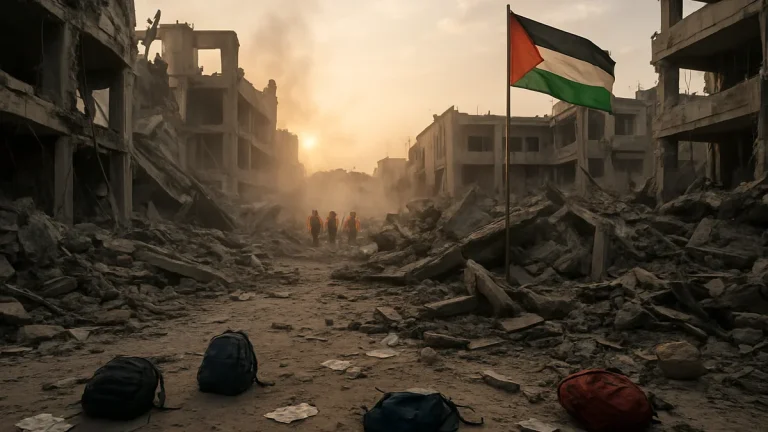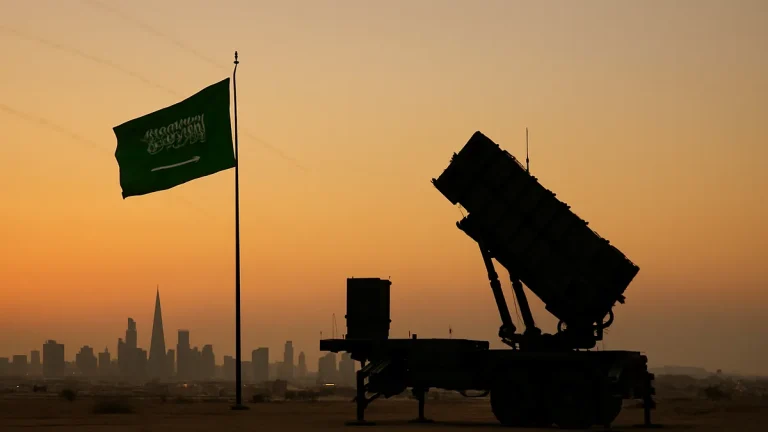
The escalating conflict involving the US and Israel against Iran has had far-reaching consequences beyond the battlefield, notably affecting tourism in Jordan. Petra, a UNESCO World Heritage site renowned for its ancient rock-cut architecture, has seen a sharp decline in visitors as regional instability deters travelers. This drop in tourism has left the iconic archaeological site unusually deserted, a stark contrast to its usual bustling atmosphere.
Tourism is a vital source of income for many Jordanians, especially those living near Petra who depend on the steady flow of international tourists for their livelihoods. The sudden reduction in visitors has led to widespread economic difficulties, with many local businesses and workers facing financial strain. The situation underscores the broader economic ripple effects that regional conflicts can have on neighboring countries.
In a significant development, the downturn in tourism highlights the vulnerability of cultural heritage sites in conflict zones and the urgent need for regional stability to protect both historical treasures and the communities that sustain them. Meanwhile, efforts to revive tourism in Petra will likely depend on the resolution of the broader geopolitical tensions in the Middle East, emphasizing the interconnectedness of peace and economic well-being in the region.