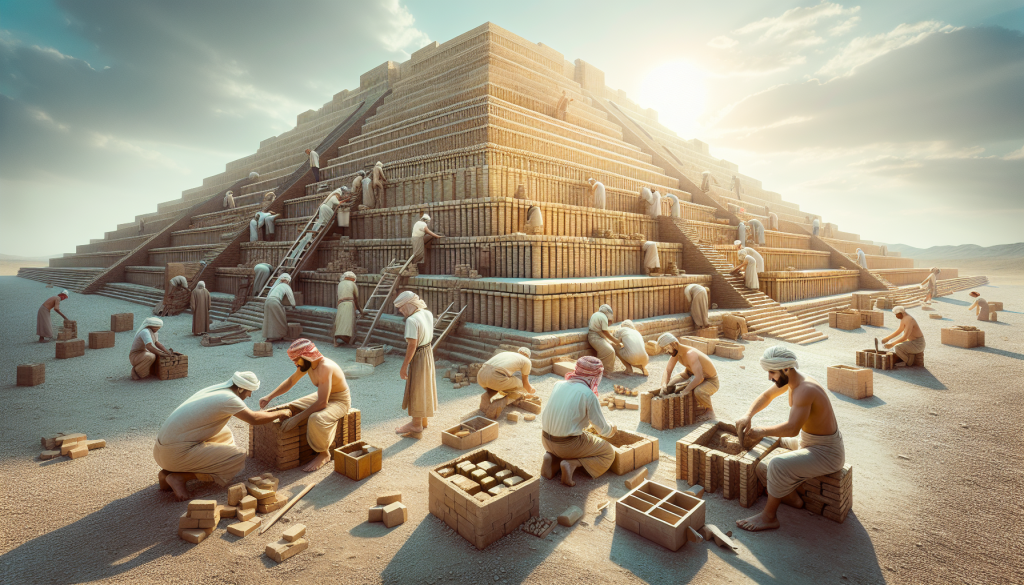
The ancient Ziggurat of Ur, a prominent stepped temple located in southern Iraq, is currently being restored using traditional construction techniques. This monumental structure, dating back to the early Bronze Age around 2100 BCE, is one of the most significant archaeological sites in Mesopotamia. The restoration aims to preserve the original architectural integrity and cultural heritage of the site, which has suffered from natural erosion and past conflicts.
Notably, the use of traditional methods in the restoration process highlights the importance of maintaining historical authenticity. Craftsmen are employing ancient brick-making and masonry techniques that were originally used to build the ziggurat, ensuring that the repairs blend seamlessly with the existing structure. This approach also serves to revive ancient skills and knowledge, fostering a deeper connection to Iraq’s rich historical legacy.
In a significant development for cultural preservation, the restoration of the Ziggurat of Ur is expected to boost tourism and educational interest in the region. The project underscores Iraq’s commitment to safeguarding its archaeological treasures amid ongoing challenges. Meanwhile, the successful preservation of such iconic monuments can inspire similar efforts across the Middle East, promoting broader awareness of the region’s ancient civilizations and their enduring contributions to human history.