As conflicts extend from South Asia to the Gulf, new strategic alignments are reshaping the geopolitical landscape of the Middle East and surrounding regions. Geopolitical analyst Ahmed Hassan Al Arbi explores these evolving dynamics, focusing on India’s strengthening partnership with Israel, the fragile nature of Western-led security frameworks in the Gulf, competition over trade corridors, Pakistan’s growing diplomatic influence, and the emergence of AI-driven information warfare.
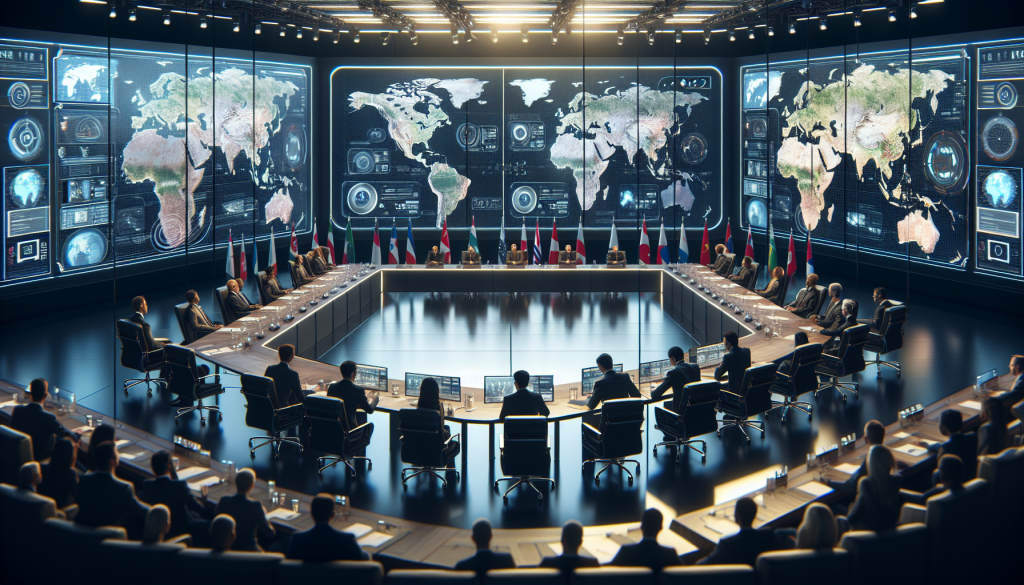
Al Arbi asserts that the region is entering a new phase characterized by multipolarity, strategic uncertainty, and a rising emphasis on regime survival rather than long-term regional stability.
Following Indian Prime Minister Narendra Modi’s visit to Israel in February 2026, considerable attention has turned to the deepening defense and technological collaboration between New Delhi and Tel Aviv. Al Arbi notes that this relationship has evolved beyond a conventional buyer-seller dynamic. Israel contributes advanced research and development capabilities, while India provides industrial scale and manpower, creating a novel strategic partnership model.
However, he cautions that this alliance carries considerable political risks. India’s role in defense manufacturing could expose it to allegations of indirectly supporting Israeli military operations in the Middle East, especially as Gulf economies remain vital to India’s economic interests. Additionally, internal political instability in India, along with challenges within Israel, may hinder the long-term viability of this partnership. While AI surveillance and advanced defense technologies may bolster state control in the short term, Al Arbi questions their effectiveness in suppressing resistance movements over extended periods.
In the Gulf, the missile defense landscape has been tested following Iran’s missile strikes in March 2026, which challenged the US-backed regional missile shield. This has sparked debate over whether Gulf states are trading strategic autonomy for security guarantees. Al Arbi argues that the Middle East is witnessing the unraveling of a century-old security order established after World War I, largely influenced by external powers. Many regional actors now question the reliability of Western security assurances amid ongoing regional escalations.
Consequently, Gulf countries are exploring alternatives that better align with their own regional priorities and security needs. While individual states may pursue different approaches, the overall trend suggests the emergence of a more indigenous collective security framework in the Middle East.
Infrastructure projects have taken center stage in geopolitical competition, especially with instability in the Strait of Hormuz raising global energy concerns. Al Arbi describes the proposed India-Middle East-Europe Corridor (IMEC) as more of a geopolitical aspiration than a practical economic venture. He characterizes the initiative as strategically ambitious but operationally fragile, with political instability across the region posing a significant threat to its execution.
In contrast, established projects like China’s Belt and Road Initiative and the China-Pakistan Economic Corridor (CPEC) are more deeply integrated into existing economic systems. For Al Arbi, infrastructure endeavors lacking credible security foundations are unlikely to succeed in an increasingly volatile global environment.
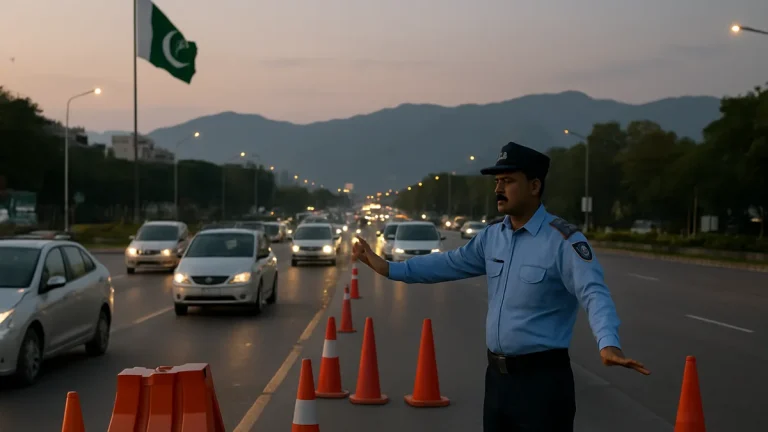
Pakistan’s diplomatic role has expanded notably, exemplified by its facilitation of the April 2026 Islamabad talks aimed at reducing tensions between the United States and Iran. Al Arbi challenges the conventional view of Pakistan as merely a middle power, arguing that its strategic leverage places it in a distinctive category. He highlights Pakistan’s relationships with China, the US, Saudi Arabia, and Iran as evidence of its diplomatic flexibility.
This balancing act allows Islamabad to act as a credible mediator in one of the world’s most perilous geopolitical confrontations. Al Arbi sees this as reflective of a longstanding tradition within Pakistan’s foreign policy establishment.
During the conflicts of 2026, AI-driven deepfakes were deployed extensively to generate panic and influence public opinion. Al Arbi situates this development within the broader history of information warfare, which has evolved from theatrical performances and print media to sophisticated artificial intelligence tools. While he acknowledges the significant risks posed to truth and public narratives, he adopts a measured stance. Governments worldwide, including those of the US and China, are actively working on regulatory frameworks and countermeasures. He believes that with appropriate governance, AI can ultimately benefit humanity rather than become an existential threat.
Overall, Al Arbi paints a picture of a region undergoing profound transformation. From military alliances and economic corridors to diplomatic initiatives and digital warfare, traditional partnerships are being tested as new power structures emerge. Whether these changes lead to enhanced stability or increased fragmentation remains one of the defining geopolitical challenges of the decade.