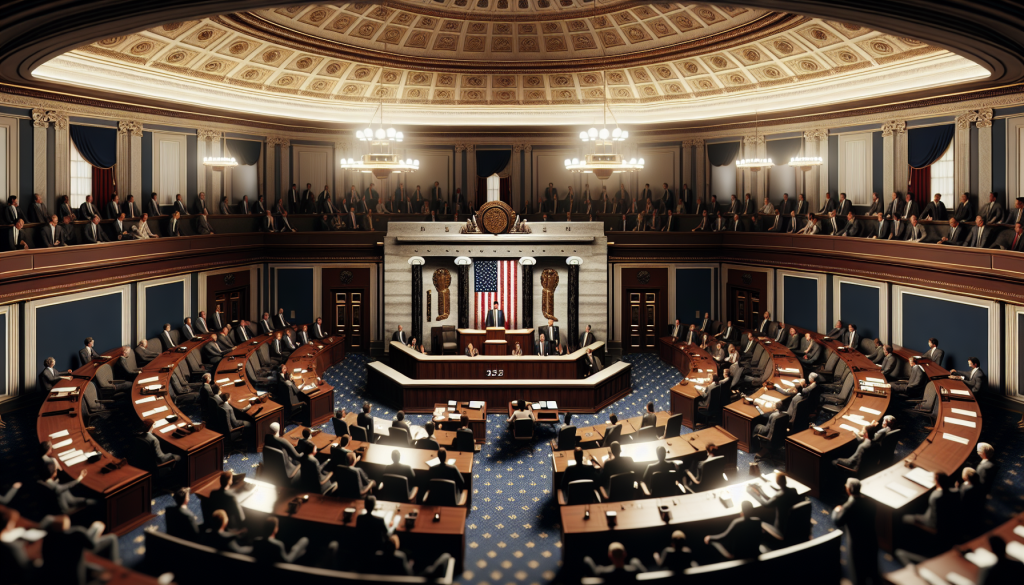
In a significant development, the US Senate voted against a proposal designed to restrict former President Donald Trump’s ability to deploy military forces against Cuba. The move highlights ongoing tensions in US-Cuba relations and raises concerns about the potential for military intervention in the region. The proposal sought to limit executive power in foreign military actions, reflecting broader debates about checks and balances in US foreign policy decision-making.
Senator Tim Kaine notably criticized the US stance, asserting that if another country treated the United States as it treats Cuba, it would be deemed an act of war. His remarks underscore the contentious nature of US-Cuba relations and the differing perspectives on how to handle diplomatic and military pressures. The Senate’s rejection of the measure leaves open the possibility of future military options being considered by the executive branch.
This event carries significant implications for international diplomacy and regional stability in the Caribbean. It also reflects the polarized political environment in the US regarding foreign policy approaches toward Cuba. As the debate continues, the decision may influence future legislative efforts to regulate presidential authority over military engagements abroad.