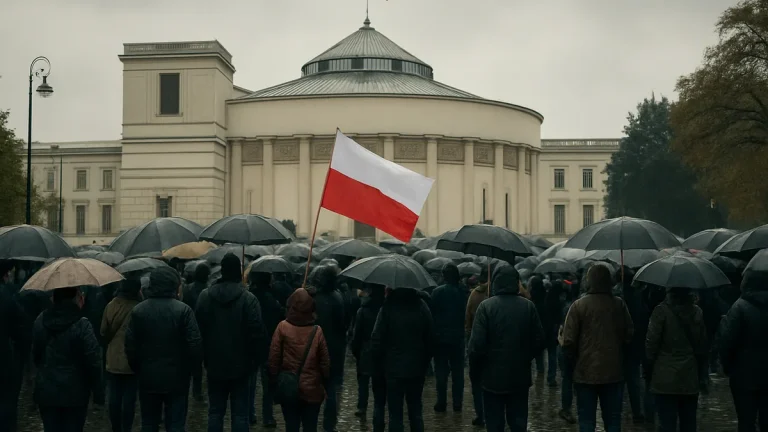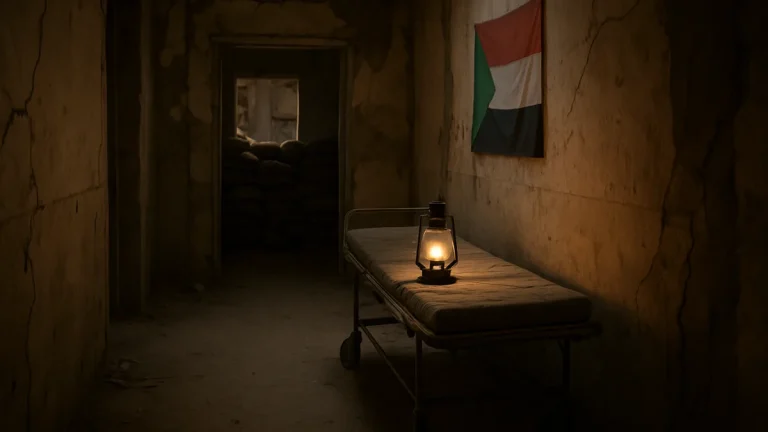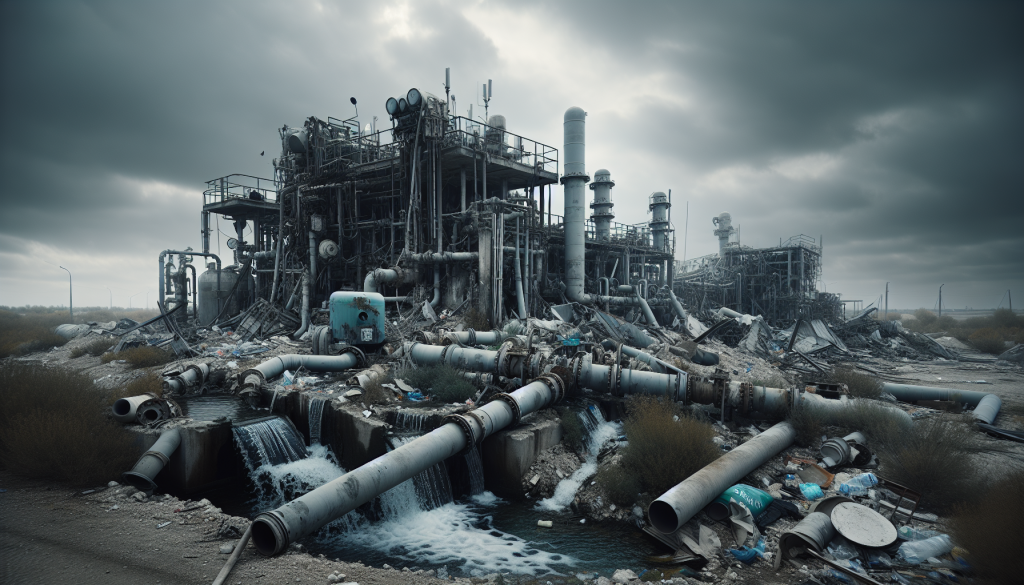
In recent conflicts, water supply systems have become frequent targets, intensifying the already critical scarcity of this essential resource. Damaging water infrastructure disrupts access to clean water for millions, leading to severe humanitarian crises. This tactic not only affects civilian populations but also undermines public health and sanitation, increasing the risk of disease outbreaks. The destruction of water facilities often prolongs conflicts by destabilizing communities and hindering recovery efforts.
Historically, water has been a strategic asset in warfare, with combatants aiming to control or destroy it to weaken opponents. In modern conflicts, targeting water infrastructure has escalated due to its profound impact on civilian life and the environment. Such actions violate international humanitarian laws designed to protect civilian resources during war. The deliberate disruption of water services complicates peacebuilding and reconstruction, as restoring these systems requires significant time and resources.
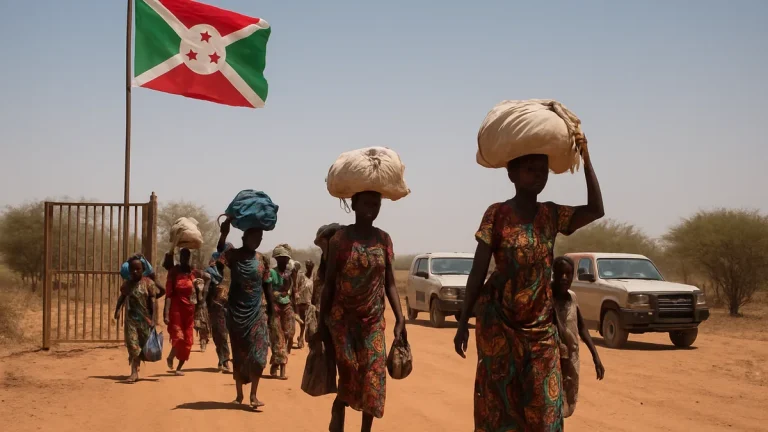
Meanwhile, the global water scarcity crisis is exacerbated by these wartime tactics, especially in regions already facing drought and climate stress. The loss of reliable water access forces displaced populations into overcrowded camps with inadequate sanitation, further straining humanitarian aid. Addressing this issue demands increased international attention and stronger enforcement of protections for water infrastructure in conflict zones. Ultimately, safeguarding water resources is crucial for preserving human dignity and stability during and after armed conflicts.