Afghanistan’s Foreign Ministry declared on Saturday that Afghans who supported or worked alongside US forces during the two-decade conflict, currently stranded abroad including in Qatar, can return home safely. This assurance comes amid reports that the US is contemplating relocating some of these individuals to third countries.
Spokesperson Abdul Qahar Balkhi emphasized that Afghanistan remains the common homeland for all Afghans and that its borders are open to those stuck overseas, including former collaborators with US forces. This statement followed media reports revealing that the Trump administration was negotiating the possible transfer of approximately 1,100 Afghans—comprising ex-US wartime aides and relatives of American military personnel—to the Democratic Republic of Congo.
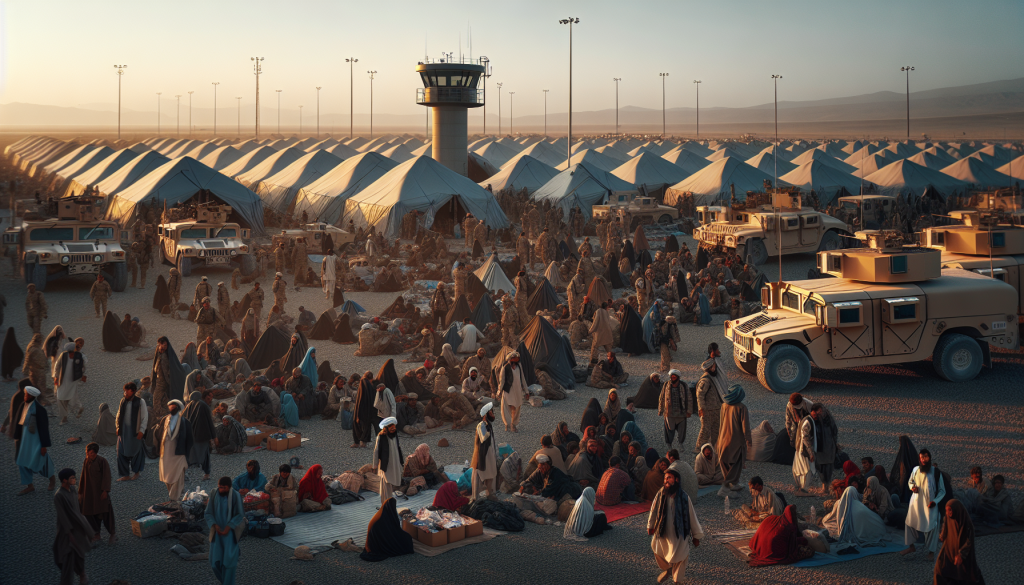
These discussions reportedly concern Afghans who have been residing at Camp As-Sayliyah, a US military facility in Doha, Qatar, for nearly a year while awaiting resettlement to the United States. The US State Department acknowledged exploring options to “voluntarily” resettle this group in a third country but did not specify which nations were being considered.
The refugee support organization #AfghanEvac revealed that US officials had informed them about talks with Congo, although Washington has yet to publicly confirm any formal agreement. The potential relocation has sparked concern among Afghan evacuees, who expressed frustration at learning about these plans through media rather than direct communication.
“We do not want to go to the Democratic Republic of Congo,” the group stated in a joint message shared by AfghanEvac, citing the insecurity and ongoing conflicts in the African country. The Democratic Republic of Congo has long been plagued by violence, particularly in its eastern regions, involving clashes between government forces and rebel factions.
Many stranded Afghans also view returning home as unsafe due to fears of Taliban reprisals for their cooperation with US forces during the war. However, Afghanistan’s Foreign Ministry maintained that no security threats exist within the country and encouraged those abroad to return through “legal and dignified channels.”
The ministry further noted that individuals wishing to travel elsewhere could do so by following proper legal procedures and expressed willingness to engage with all relevant countries on these matters.
These relocation discussions, initially reported by The New York Times, come over a year after the US suspended parts of its Afghan resettlement program. This suspension left thousands of vetted refugees stranded in various countries, including Qatar, following the 2021 withdrawal of international forces and the Taliban’s return to power.