



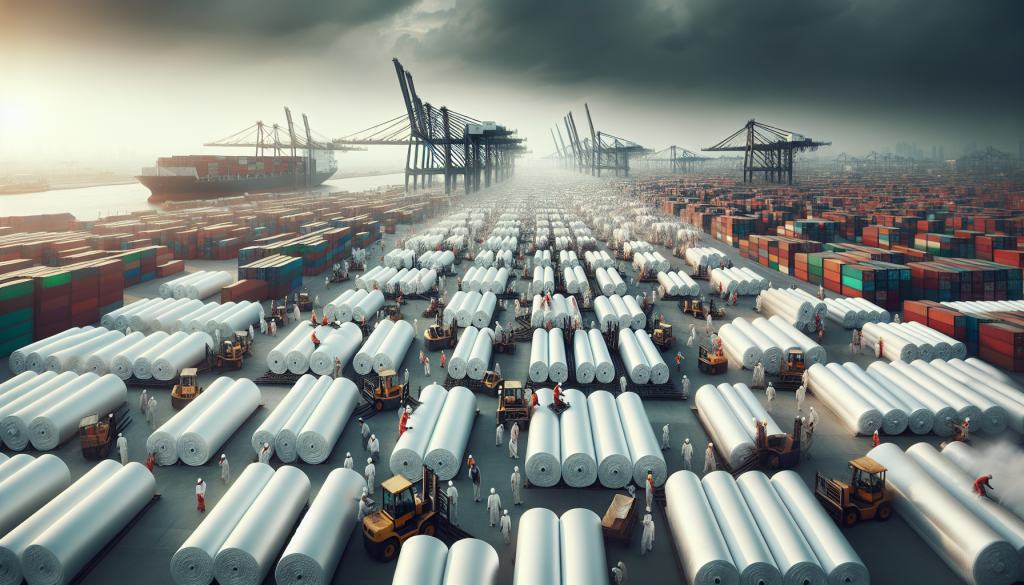
The ongoing conflict in Iran has caused major disruptions in the supply of polyester from Asia, a critical raw material for the global fast fashion sector. Polyester, widely used in clothing manufacturing due to its affordability and versatility, is predominantly sourced from Asian countries that rely on stable trade routes. The war has led to logistical challenges and increased costs, threatening the steady flow of polyester to manufacturers worldwide.
Asia’s role as a key supplier in the polyester market underscores the broader economic implications of the Iran conflict. Many fast fashion brands depend on these suppliers to meet the high demand for inexpensive apparel, making the supply chain vulnerable to geopolitical instability. The disruption could result in production delays, higher prices for consumers, and potential shifts in sourcing strategies as companies seek alternatives to mitigate risks.
In a significant development, the impact extends beyond immediate supply issues, highlighting the interconnectedness of global trade and conflict zones. The fast fashion industry, known for its rapid production cycles, may face challenges in maintaining inventory levels and cost efficiency. Meanwhile, stakeholders are closely monitoring the situation to adapt to evolving market conditions and ensure sustainability in their supply chains.

Leave an opinion