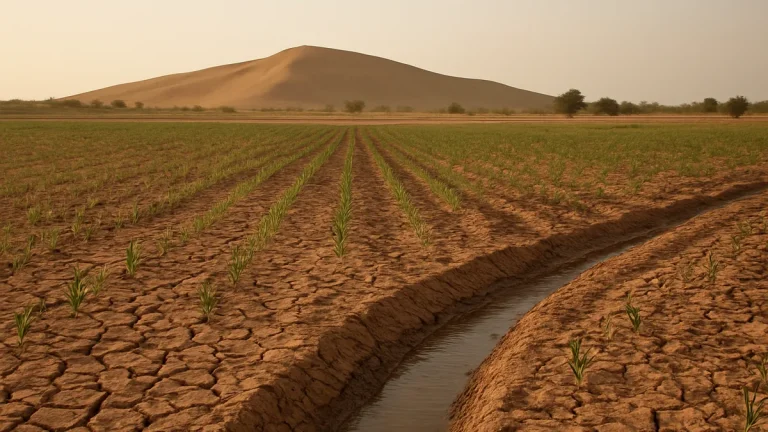
The United Nations has projected that the warming phase of the El Nino climate cycle is expected to make a comeback by the middle of 2026. El Nino is a significant atmospheric and oceanic phenomenon characterized by the warming of sea surface temperatures in the central and eastern Pacific Ocean. This event typically influences global weather patterns, often causing extreme weather conditions such as droughts, floods, and altered storm activity across various regions.
Historically, El Nino events have had profound effects on agriculture, water resources, and ecosystems worldwide. The return of this warming phase could exacerbate existing climate challenges, including heatwaves and disruptions to marine life. Governments and environmental agencies closely monitor these cycles to prepare for potential socioeconomic and environmental impacts.
In a significant development, the UN’s forecast underscores the importance of climate resilience and adaptation strategies. Early warnings about El Nino’s return allow policymakers and communities to implement measures that mitigate adverse effects on vulnerable populations. The anticipated mid-2026 timeline provides a crucial window for global coordination in addressing the challenges posed by this recurring climate phenomenon.