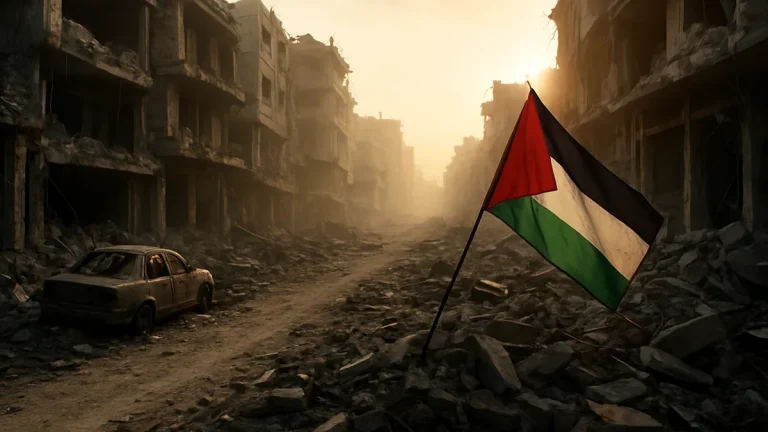
In a significant development along the Lebanon-Israel border, Israeli forces have undertaken demolition activities targeting villages situated behind the so-called ‘yellow line.’ This line, often referenced in ceasefire agreements, marks the boundary between the two nations but remains a flashpoint for conflict. The leveling of these villages represents a continuation of hostilities that have periodically flared in this volatile region. Such actions exacerbate the fragile security situation and contribute to ongoing instability in southern Lebanon.
The ‘yellow line’ has historically been a contentious demarcation, with both sides accusing each other of violations. Israeli military operations in this area often aim to counter perceived threats from militant groups operating within Lebanese territory. Meanwhile, the destruction of civilian infrastructure raises concerns about humanitarian impacts and displacement of local populations. The international community has frequently called for restraint to prevent escalation and protect civilians caught in the crossfire.
This recent activity underscores the persistent challenges in achieving lasting peace between Israel and Lebanon. The destruction of villages behind the ‘yellow line’ not only deepens mistrust but also complicates diplomatic efforts aimed at stabilizing the border region. Continued military actions risk provoking retaliatory measures, potentially igniting broader conflict. Monitoring and addressing these developments remain critical for regional security and the protection of affected communities.