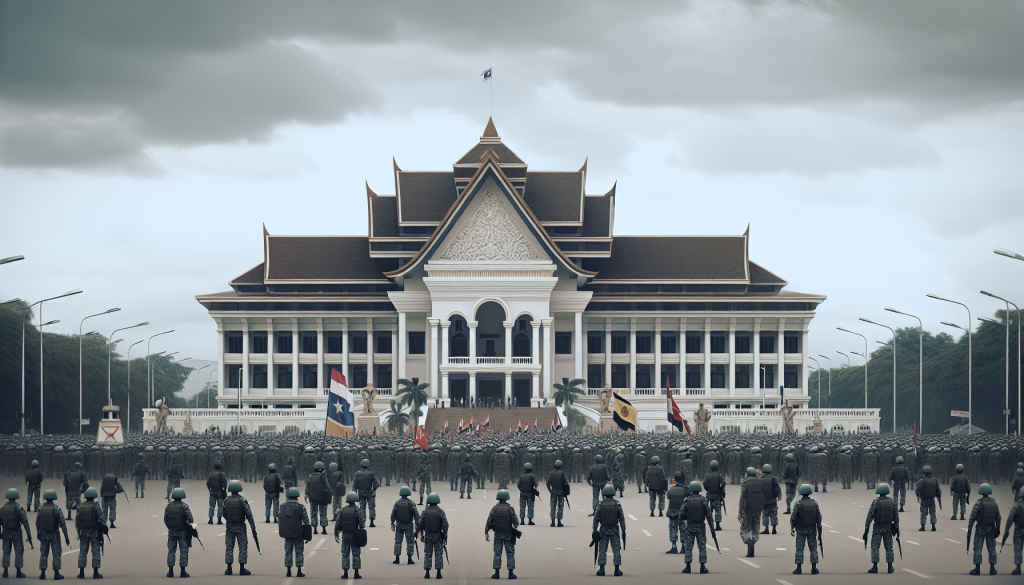
Min Aung Hlaing, Myanmar’s military commander, was appointed president by the country’s parliament earlier this month following an election widely criticized as illegitimate. This election took place after the military seized power in a coup, overthrowing the civilian government and sparking widespread unrest. The move to install Min Aung Hlaing as president has been condemned by many international observers and local opposition groups who view the process as a facade to legitimize military rule.
In a significant development, the military government has extended an offer for peace talks aimed at resolving ongoing conflicts and political instability. However, this initiative has been met with skepticism and outright rejection by various ethnic armed organizations and pro-democracy factions. These groups argue that genuine dialogue cannot occur under a regime that came to power through force and continues to suppress dissent.
The refusal to engage in peace negotiations underscores the deep divisions and mistrust that persist in Myanmar’s political landscape. The military’s grip on power has led to escalating violence and humanitarian crises, complicating efforts to restore stability. Meanwhile, the international community continues to call for inclusive dialogue and a return to democratic governance to end the country’s turmoil.