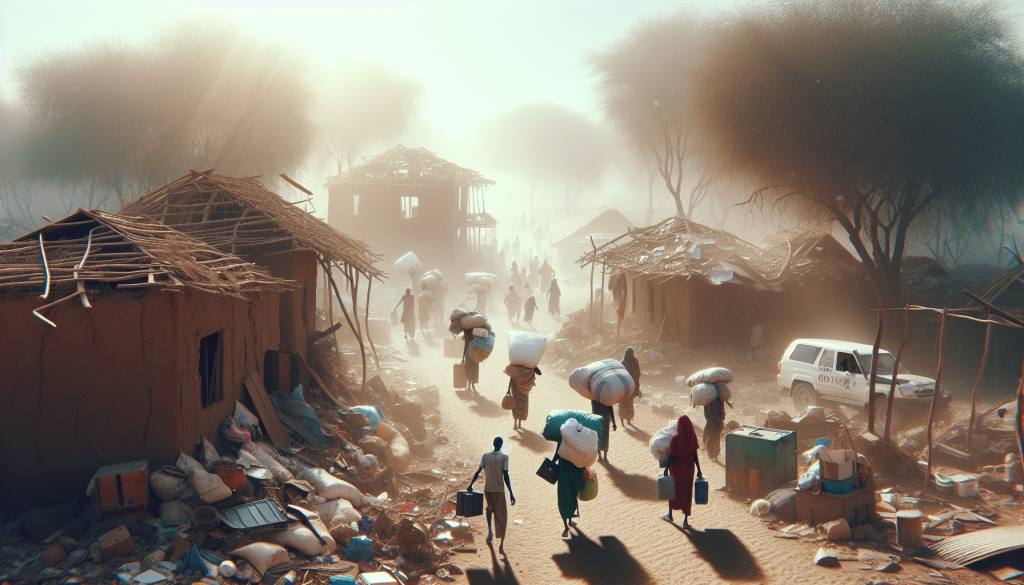
In a significant development, refugees returning to Sudan are encountering immense difficulties due to widespread destruction of essential infrastructure. Many homes have been severely damaged, while water supplies and health services remain critically impaired. The lack of reliable electricity further exacerbates the hardships faced by these returnees, hindering their ability to rebuild their lives. This situation highlights the urgent need for substantial investment to restore basic living conditions in affected areas.
Meanwhile, the chronic underinvestment in Sudan’s infrastructure has left returning populations vulnerable to ongoing health and safety risks. Access to clean water and medical care is vital for preventing disease outbreaks and ensuring community well-being. The damage to electricity networks also disrupts daily life and economic activities, slowing recovery efforts. These challenges underscore the complex nature of post-conflict rehabilitation in Sudan, where rebuilding physical infrastructure is crucial for sustainable peace and development.
Notably, the plight of returning refugees reflects broader regional instability and the long-term consequences of conflict on civilian populations. International support and coordinated humanitarian aid are essential to address these urgent needs. Without significant improvements in housing, utilities, and healthcare, many returnees may face a prolonged struggle for survival. The situation calls for immediate action to facilitate safe and dignified returns, enabling displaced Sudanese to regain stability and rebuild their communities.