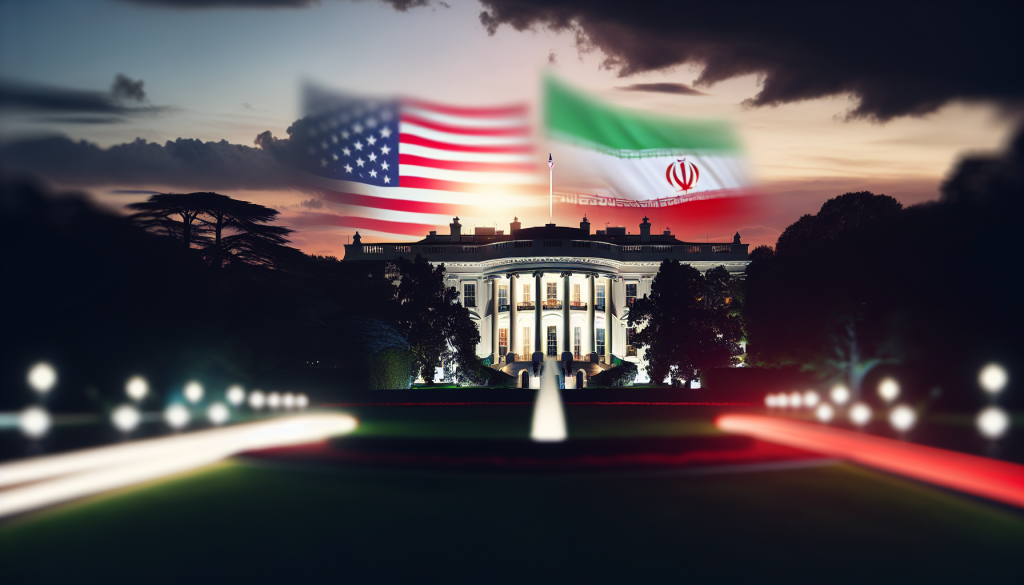
In 2018, then-President Donald Trump made a decisive move by withdrawing the United States from the Joint Comprehensive Plan of Action (JCPOA), commonly known as the Iran nuclear deal. This agreement, originally signed in 2015 by Iran and several world powers, aimed to curb Iran’s nuclear capabilities in exchange for sanctions relief. Trump criticized the pact as deeply flawed, labeling it “the worst deal ever,” and argued that it failed to prevent Iran from advancing its nuclear ambitions.
His administration sought to renegotiate the terms to impose harsher restrictions on Iran’s nuclear activities and to address other concerns such as Iran’s ballistic missile program and regional influence. The withdrawal led to the reinstatement of stringent US sanctions on Iran, significantly impacting the country’s economy and escalating tensions between Tehran and Washington. This shift marked a major change in US foreign policy and complicated diplomatic efforts to manage Iran’s nuclear program.
Meanwhile, the exit from the JCPOA strained relations with other signatories, including European allies who remained committed to the deal. It also heightened instability in the Middle East, raising fears of a potential arms race and conflict escalation. The decision continues to influence international negotiations and shapes the geopolitical landscape surrounding nuclear non-proliferation efforts.