

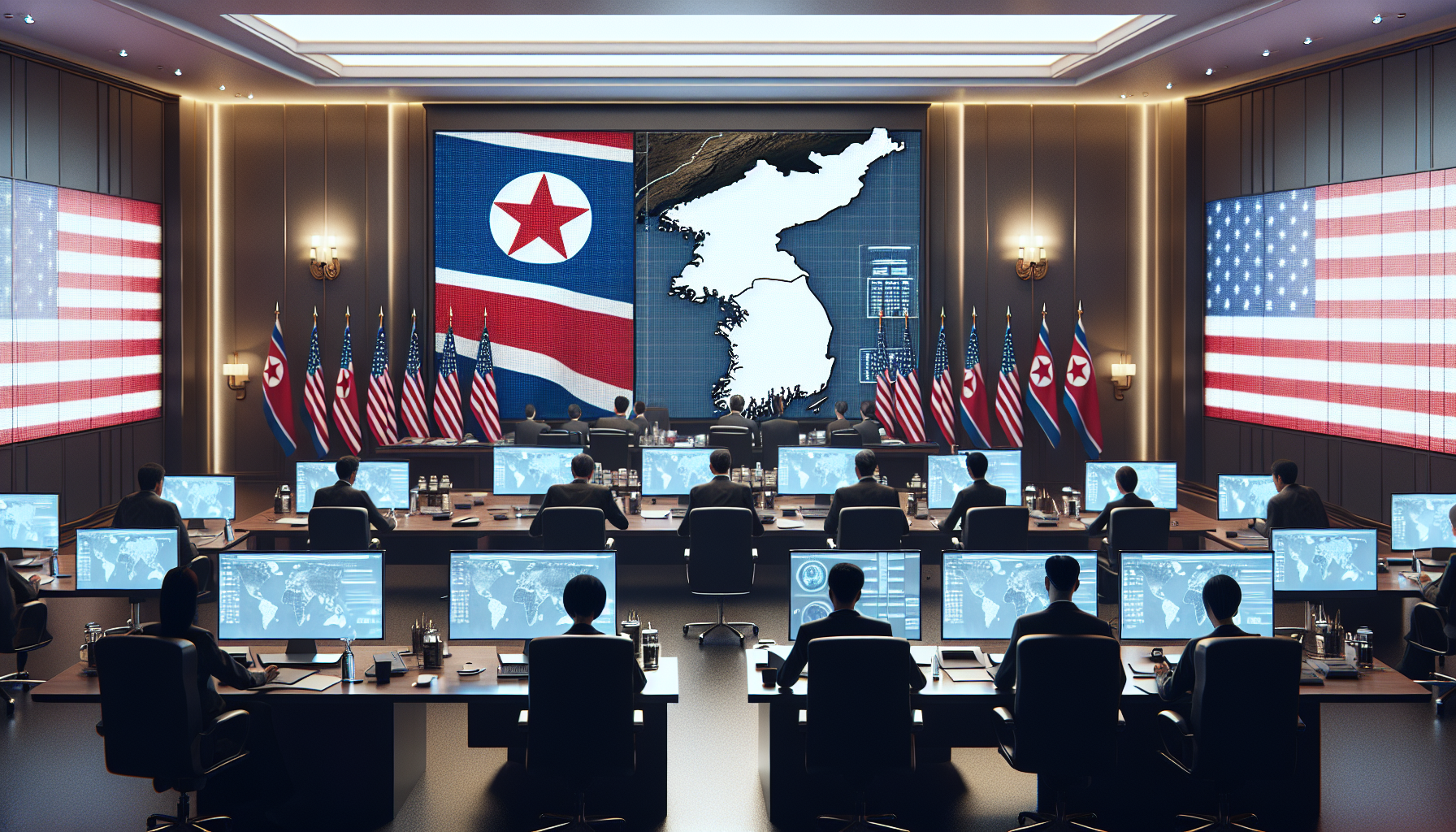
In a significant development, the United States has scaled back its intelligence sharing on North Korea in response to recent remarks made by South Korean officials. This move marks a shift in the delicate security dynamics between Washington and Seoul, highlighting tensions within the alliance. Intelligence sharing has been a cornerstone of the US-South Korea partnership, particularly concerning North Korea’s nuclear and missile programs.
Meanwhile, the decision to limit information exchange underscores growing complexities in trilateral cooperation involving the US, South Korea, and Japan. The intelligence-sharing framework has long been critical for monitoring North Korean activities and coordinating defensive measures. The recent comments from Seoul, perceived as diverging from US policy or signaling independent approaches, appear to have prompted this recalibration.
Notably, this development could affect regional security strategies and diplomatic efforts aimed at denuclearization of the Korean Peninsula. It raises questions about the future of intelligence collaboration and the broader alliance cohesion amid evolving geopolitical challenges. The US response signals a need for alignment on policy and communication to maintain effective security cooperation against North Korean threats.
