

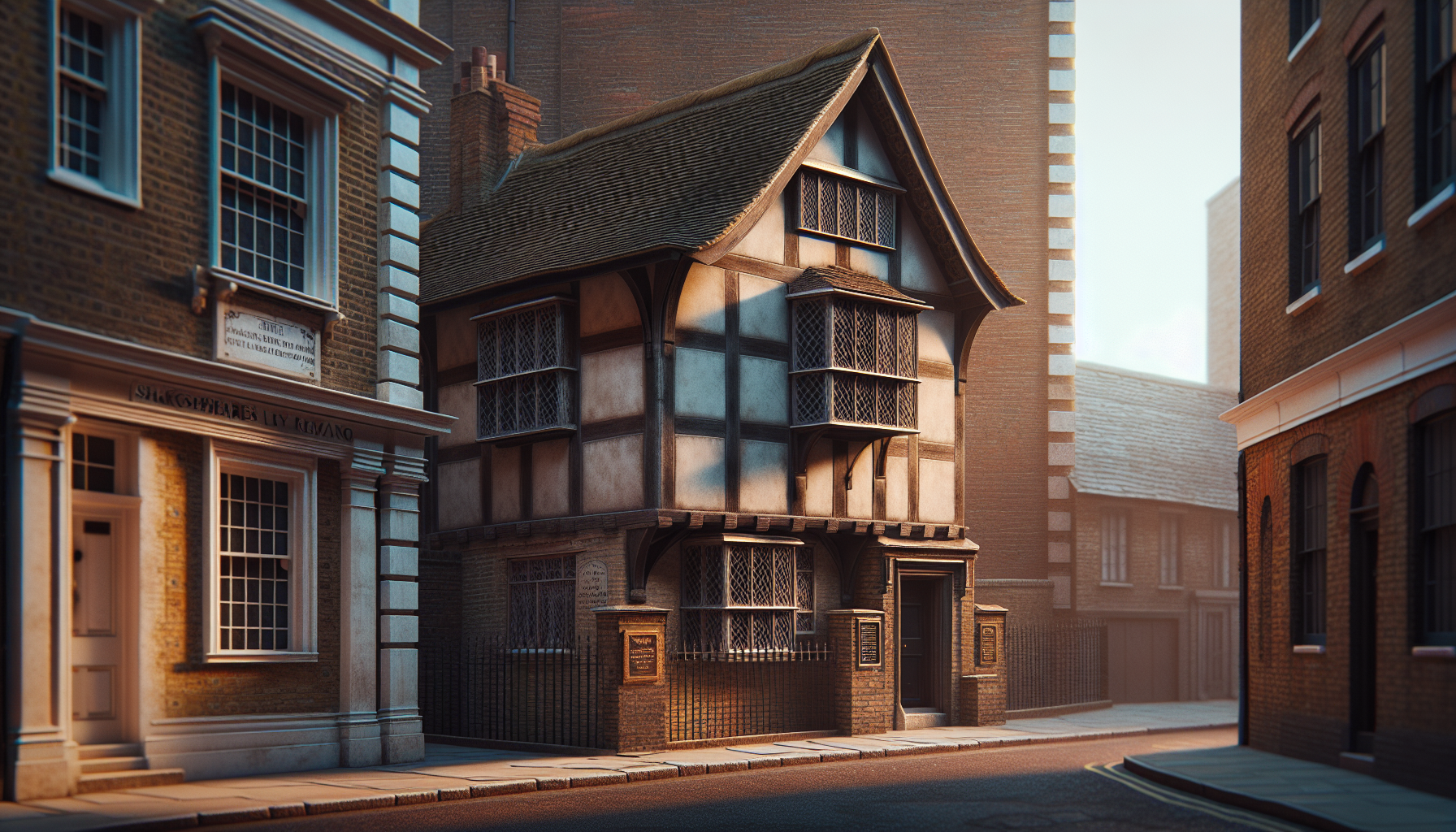
In a significant development for literary history, researchers have uncovered the location of William Shakespeare’s long-lost residence in London, a discovery that comes more than three and a half centuries after the playwright’s death. This finding provides new insights into Shakespeare’s life during his time in the capital, where he wrote many of his famous works. The identification of the home offers a tangible connection to the Elizabethan era and the cultural environment that influenced his writing.
Shakespeare lived in London during a period of immense artistic and theatrical growth, and his residence would have been at the heart of this vibrant scene. The discovery allows historians and scholars to better understand the living conditions and social context that shaped one of the greatest figures in English literature. Meanwhile, the site is expected to become an important landmark for both academic study and public interest, attracting visitors keen to explore Shakespeare’s legacy.
Notably, this rediscovery also highlights the ongoing efforts to preserve and celebrate historical sites linked to literary giants. The identification of Shakespeare’s home after 360 years underscores the enduring fascination with his life and work, reinforcing his status as a cultural icon. As further research unfolds, the site may reveal additional artifacts or information that deepen our appreciation of Shakespeare’s contribution to the arts and history.
