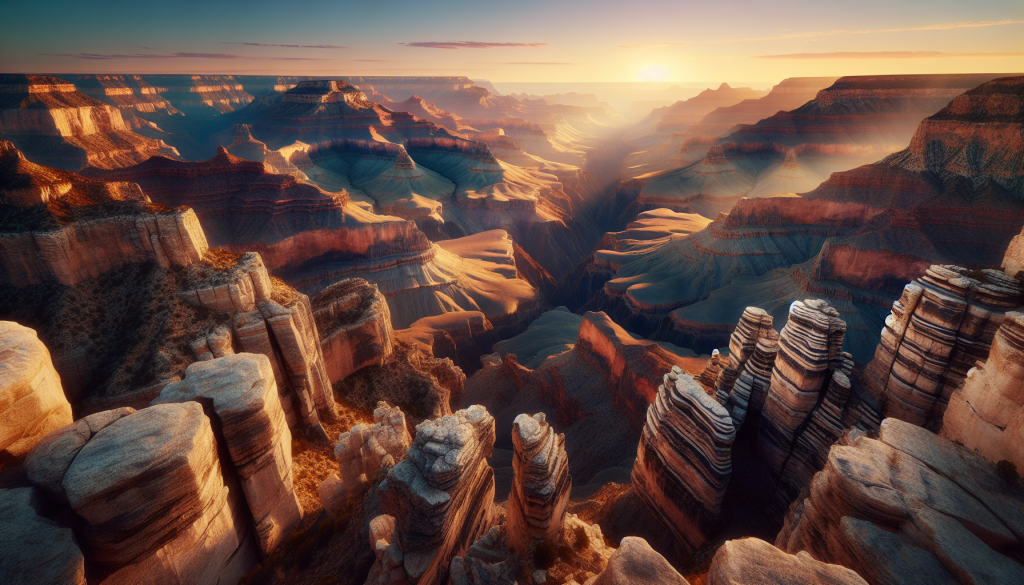
In a significant development, scientists have successfully unraveled the intricate geological history of the Grand Canyon, one of the most iconic natural landmarks in the United States. This breakthrough sheds light on the formation and evolution of the canyon’s rock layers, which span millions of years. By analyzing rock samples and sediment deposits, researchers have pieced together a timeline that explains the canyon’s dramatic landscape changes over geological epochs.
The Grand Canyon’s geological story is crucial for understanding Earth’s past environmental conditions and tectonic activities. The canyon exposes nearly two billion years of Earth’s crust, providing a natural archive of sedimentation, erosion, and volcanic events. This research not only enhances scientific knowledge but also aids in educating the public about the dynamic processes shaping our planet.
Meanwhile, these findings have broader implications for geology and earth sciences, offering a model for studying similar formations worldwide. The detailed chronology helps predict geological phenomena and informs conservation efforts within the Grand Canyon National Park. Ultimately, this research underscores the importance of preserving such natural wonders for ongoing scientific exploration and education.