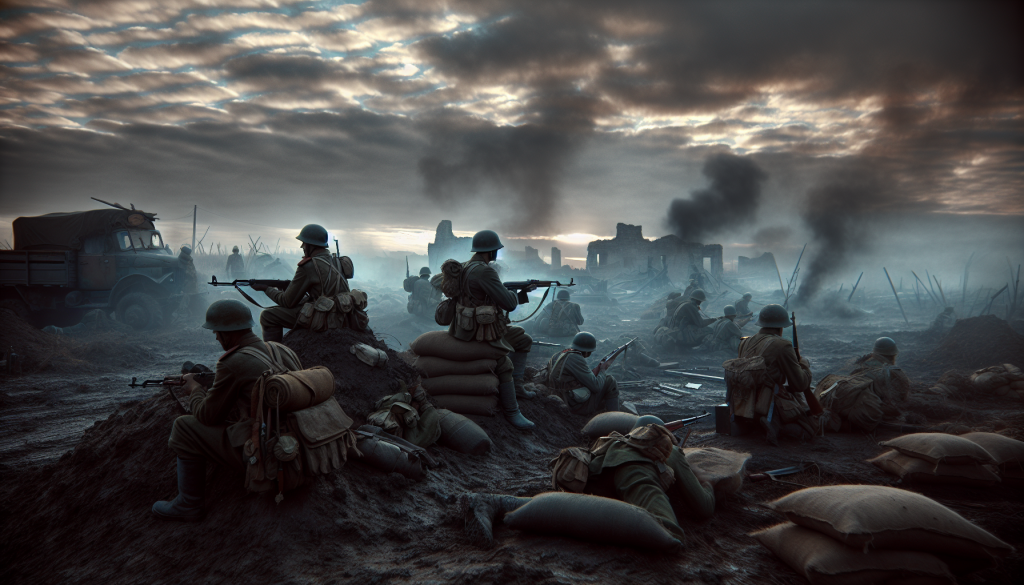

Central Asian migrants forcibly recruited by Russian forces to fight in the Ukraine conflict are enduring extremely perilous conditions, with an average life expectancy on the front lines estimated at just four months. These individuals, often lured or coerced into service, find themselves in a deadly environment where survival rates are alarmingly low. The ongoing war has intensified the demand for manpower, leading to the exploitation of vulnerable migrant populations from countries such as Uzbekistan, Tajikistan, and Kyrgyzstan.
Meanwhile, the use of these migrants highlights the broader human cost of the conflict, as Russia struggles to maintain troop levels amid heavy casualties. Many of these fighters are reportedly sent into the most dangerous combat zones with minimal training or support, effectively treating them as expendable assets. This practice has drawn international condemnation, raising serious concerns about human rights violations and the ethical implications of forced conscription in wartime.
In a significant development, the plight of Central Asian migrants sheds light on the complex geopolitical dynamics at play, as Russia leverages migrant labor to sustain its military efforts. The situation underscores the vulnerabilities faced by migrant workers caught in conflict zones and the urgent need for protective measures. It also amplifies calls for increased international oversight and humanitarian assistance to prevent further exploitation and loss of life among these marginalized groups.