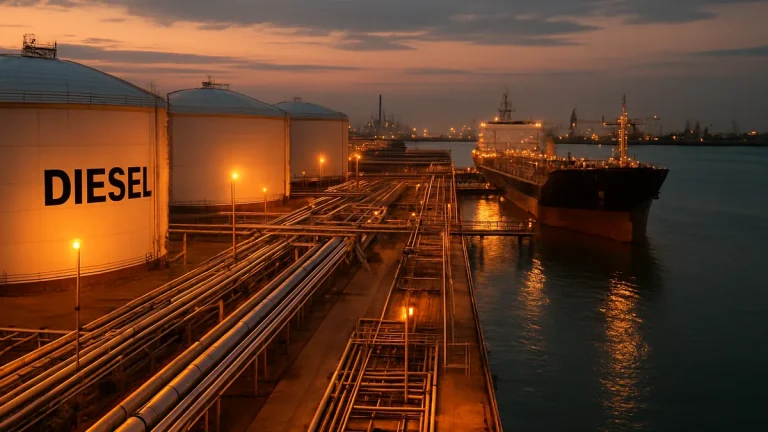

Energy prices have experienced a notable increase exceeding 10 percent within the past month, driven largely by the ongoing conflict involving the United States, Israel, and Iran. This surge in costs reflects heightened geopolitical tensions in the Middle East, which have disrupted supply chains and raised concerns about the stability of energy exports from the region. The conflict has intensified fears of potential blockades or attacks on critical shipping routes, further exacerbating market volatility.
In a significant development, former President Donald Trump had previously suspended the Jones Act, a federal law regulating maritime commerce in U.S. waters, aiming to alleviate shipping constraints and reduce costs. However, despite this regulatory relief, the complex geopolitical situation has overshadowed these efforts, leading to sustained increases in shipping expenses. The Jones Act suspension was intended to facilitate more flexible shipping arrangements, but the broader conflict has limited its impact on stabilizing energy prices.
The rise in energy prices amid this conflict has broader implications for global markets and consumers, potentially affecting fuel costs, inflation rates, and economic recovery efforts worldwide. Energy-dependent industries and nations may face increased operational costs, while consumers could see higher prices at the pump. The situation underscores the vulnerability of global energy supplies to geopolitical instability and highlights the importance of diplomatic efforts to de-escalate tensions in the region.