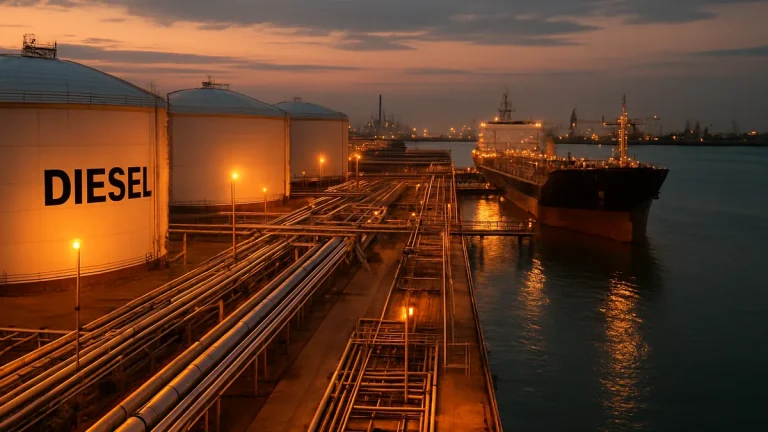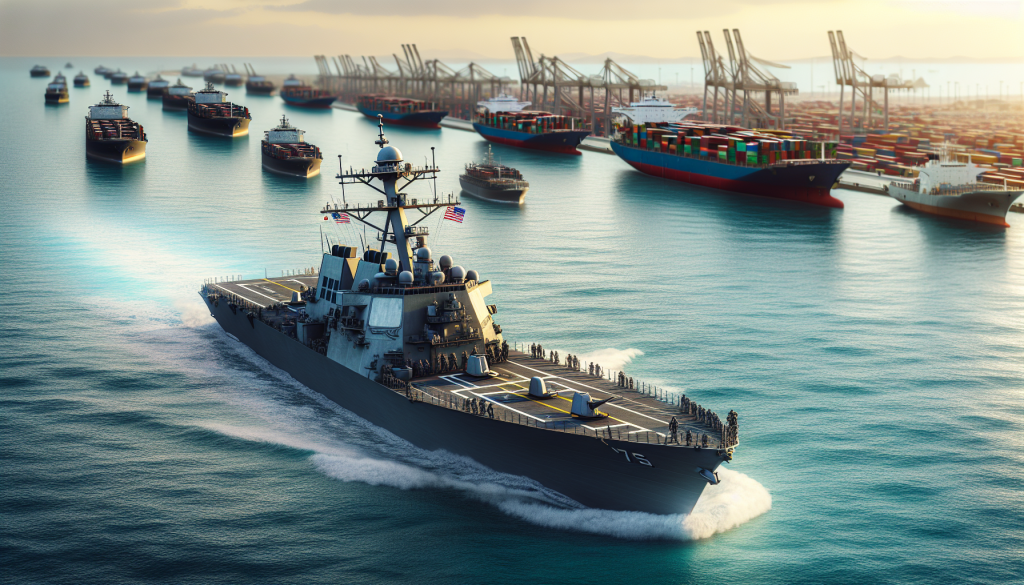

The United States has enforced a blockade targeting Iranian ports, a strategic maneuver designed to limit Iran’s maritime operations and exert economic pressure. This action is part of broader efforts to curb Iran’s influence in the Middle East and restrict its ability to export oil and other goods. The blockade involves naval forces monitoring and potentially intercepting vessels entering or leaving Iranian harbors, thereby tightening control over regional shipping lanes.
In a significant development, this blockade could escalate tensions between the US and Iran, affecting diplomatic relations and regional stability. The move also has implications for global energy markets, as Iran is a key oil producer whose exports are vital to many countries. Shipping companies and international trade partners are closely watching the situation, concerned about potential disruptions to maritime traffic through the Persian Gulf and the Strait of Hormuz.
Meanwhile, the blockade underscores the ongoing geopolitical struggle in the Middle East, where control over strategic waterways plays a crucial role. It highlights the US’s commitment to enforcing sanctions and limiting Iran’s economic capabilities. The international community remains attentive to how this blockade will influence negotiations and the broader security environment in the region.