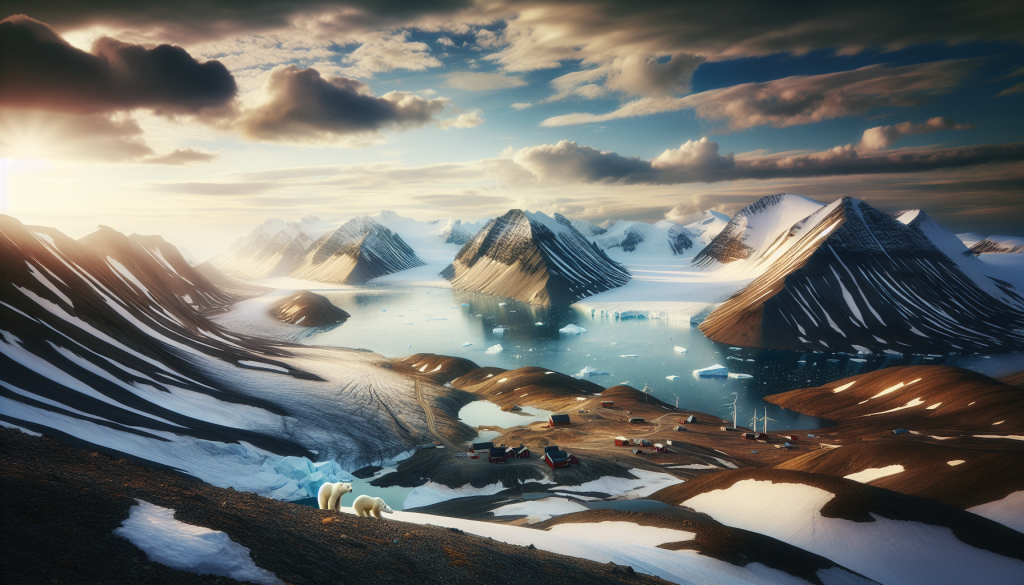

Svalbard, a remote Norwegian archipelago situated in the Arctic Ocean, is gaining international interest for its distinctive regulations and harsh living environment. Positioned approximately halfway between mainland Norway and the North Pole, this icy territory is characterized by rugged mountains, expansive glaciers, and abundant Arctic wildlife.
Often dubbed the “land of polar bears,” Svalbard hosts a polar bear population estimated between 2,600 and 3,600, surpassing the roughly 2,400 inhabitants of its principal settlement, Longyearbyen. Consequently, residents are advised to carry firearms when traveling outside populated areas for safety.
In a significant development, Svalbard maintains an open immigration policy under the Svalbard Treaty, allowing citizens from any country to reside and work there without a visa, provided they secure employment and housing. Despite this openness, the archipelago enforces some unusual restrictions, notably prohibiting births and burials on the island. The persistent permafrost prevents bodies from decomposing, creating health hazards. Therefore, pregnant women and seriously ill patients are relocated to mainland Norway for childbirth and medical treatment.
Environmental protection is another priority; for instance, cats are banned to safeguard native bird species, reflecting strict conservation efforts. Additionally, Svalbard hosts the Svalbard Global Seed Vault, a highly secure repository containing over 900,000 crop seed samples from across the globe, designed to preserve agricultural biodiversity in the event of global crises.
Notably, the region experiences extreme variations in daylight, with nearly six months of continuous daylight during summer and an equal period of darkness in winter, adding to the unique living conditions of this Arctic island.