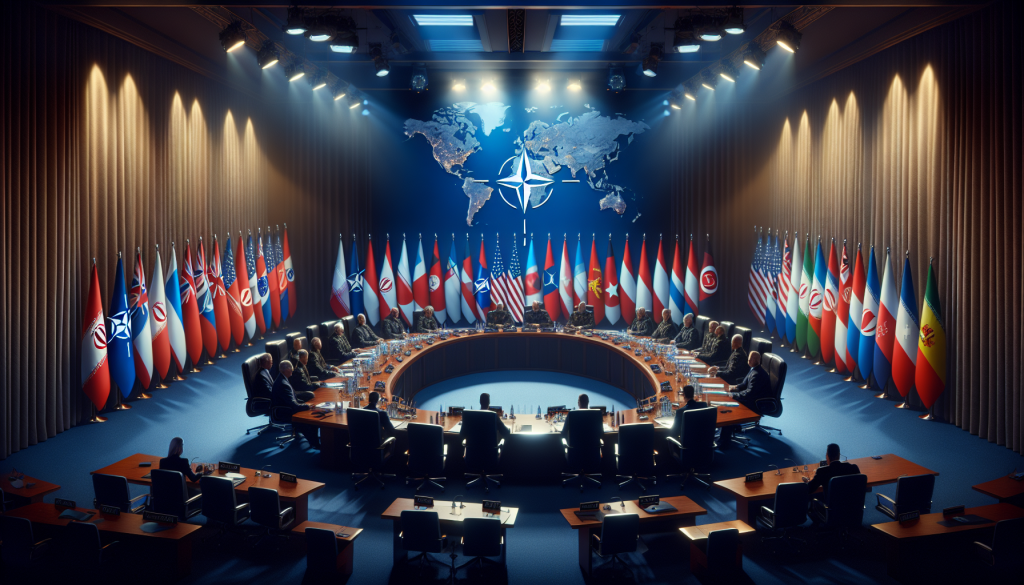

The ongoing conflict in Iran has significantly strained the cohesion of the NATO alliance, exposing deep divisions among member states. This turmoil comes at a time when the transatlantic partnership is already facing numerous geopolitical challenges. The potential withdrawal of the United States from NATO has become a focal point of concern, as Washington’s role has historically been central to the alliance’s strategic and military strength.
In a significant development, the prospect of the US pulling out has heightened fears about NATO’s ability to maintain unity and effectiveness in addressing global security threats. The alliance, established during the Cold War to counter Soviet expansion, now confronts a complex security environment where internal disagreements could undermine collective defense commitments. The Iran war has acted as a catalyst, revealing fault lines that could jeopardize NATO’s future.
Meanwhile, European members of NATO are grappling with the implications of a diminished American presence, prompting discussions about increased self-reliance and defense spending. The potential fracturing of NATO would have profound consequences for international stability and the balance of power. As the alliance navigates these challenges, the question remains whether it can adapt and survive in an era marked by shifting geopolitical dynamics and rising tensions in the Middle East.