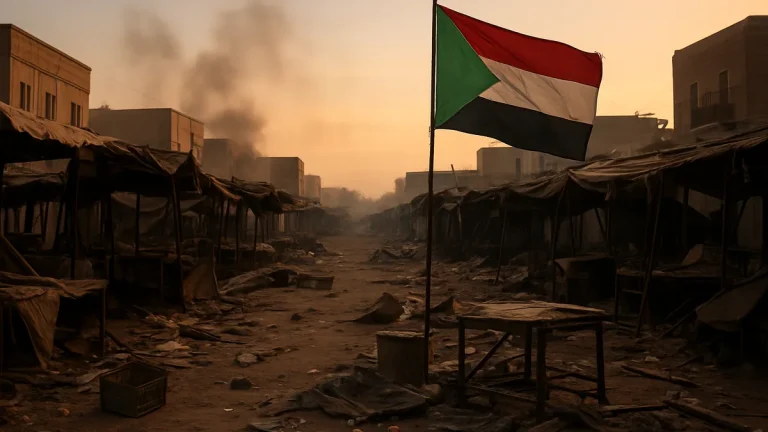
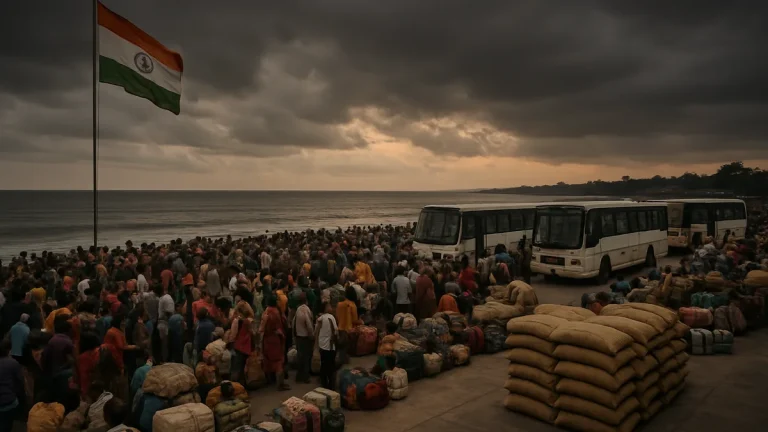
Several regions in Somalia are currently confronting the threat of famine, a situation not seen since 2022. This development highlights the persistent food insecurity challenges in the Horn of Africa, where drought and conflict have severely impacted agricultural productivity and access to basic resources. The risk of famine signals a critical humanitarian crisis that demands urgent attention from international aid organizations and governments.
In a significant development, the resurgence of famine risk underscores the fragile state of food systems in Somalia, exacerbated by climate change effects and ongoing instability. The country has struggled with repeated droughts, which have devastated crops and livestock, the primary sources of livelihood for many communities. Meanwhile, displacement and conflict have further complicated relief efforts, making it difficult to reach vulnerable populations in need of assistance.
Notably, the potential famine situation in Somalia carries serious implications for regional stability and global humanitarian response. The international community faces mounting pressure to mobilize resources and coordinate aid to prevent widespread starvation and malnutrition. Effective intervention is crucial to mitigate the impact on millions of Somalis and to support long-term resilience against future food crises.