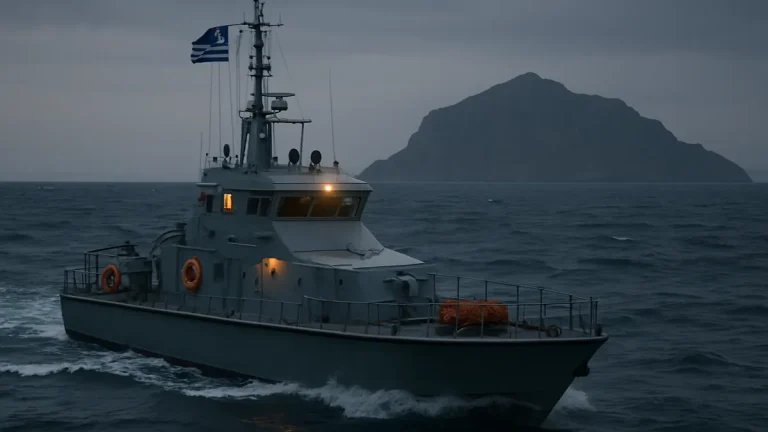

Maritime traffic through the Strait of Hormuz remains limited as ships exercise heightened caution following recent warnings from Iran. Despite the ceasefire agreement between the US and Iran, only a small number of vessels have attempted to cross this strategically vital waterway. The strait, which serves as a crucial chokepoint for global oil shipments, has historically been a flashpoint for regional tensions and military confrontations.
In a significant development, Iran’s warnings have contributed to sustained apprehension among shipping companies and international navies about the safety of passage through the strait. This cautious approach underscores the fragile nature of the ceasefire and the persistent geopolitical risks in the Persian Gulf region. The limited vessel movement also highlights the broader implications for global energy markets, given the strait’s role in transporting a substantial portion of the world’s oil supply.
Meanwhile, the situation continues to attract close monitoring by global powers and maritime authorities, as any escalation could disrupt international trade and energy security. The ongoing restraint by shipping operators reflects a strategic calculation to avoid potential conflict or incidents that could undermine the fragile peace. This scenario emphasizes the importance of diplomatic efforts to ensure stability in one of the world’s most critical maritime corridors.