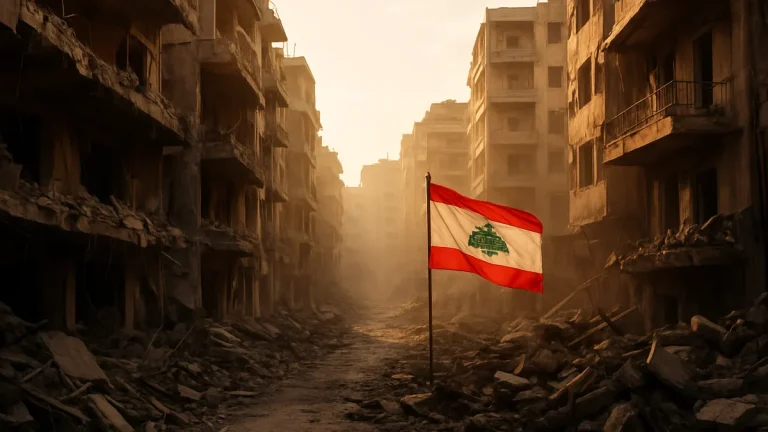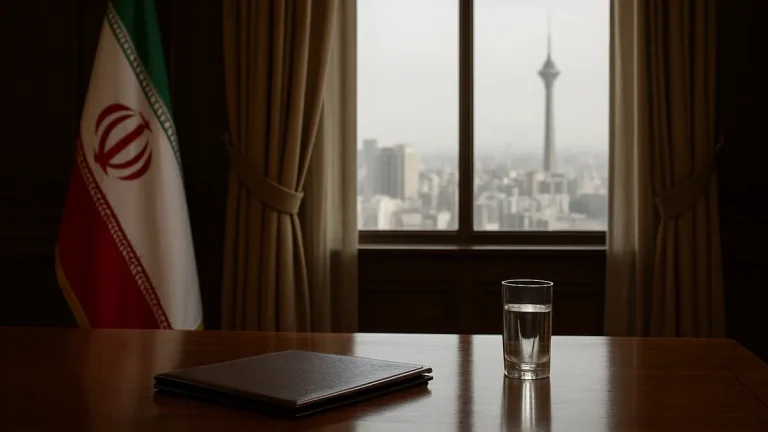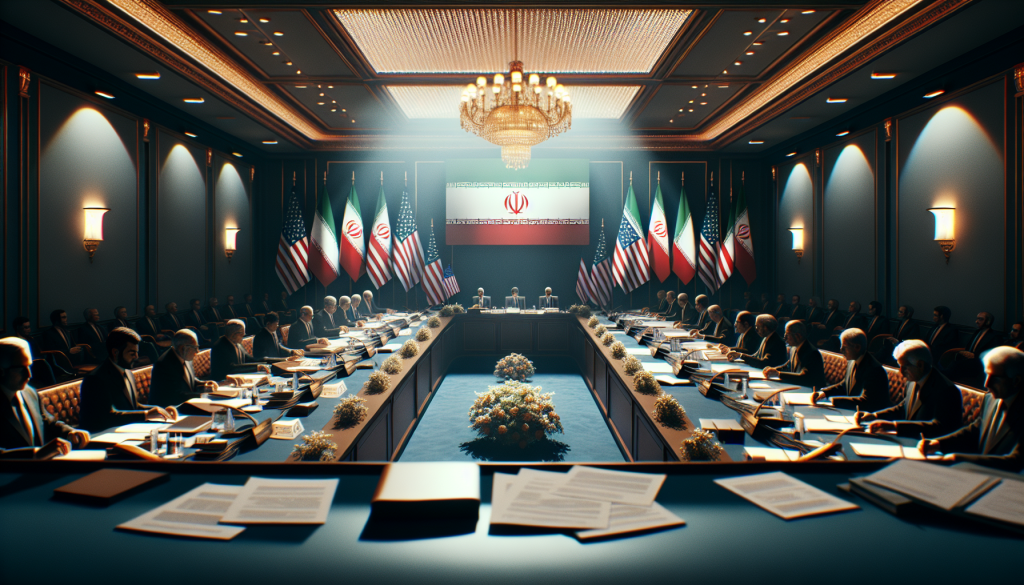

Iran has introduced a comprehensive 10-point peace proposal aimed at resolving ongoing tensions, but it has met with criticism from the United States. President Trump has publicly stated that the plan is “not good enough,” signaling a lack of agreement between the two nations. This development comes as a critical deadline set by the US for a ceasefire approaches, intensifying diplomatic pressure on all parties involved. The plan’s rejection suggests that a peaceful resolution remains elusive in the near term.
Historically, peace efforts in this region have faced numerous obstacles, with deep-rooted political and strategic disagreements complicating negotiations. Iran’s initiative reflects an attempt to outline clear steps toward de-escalation, yet the US response highlights ongoing mistrust and differing expectations. The international community watches closely, as failure to reach a ceasefire could exacerbate regional instability and humanitarian concerns. Meanwhile, diplomatic channels remain active but strained, underscoring the complexity of achieving lasting peace.
In a significant development, the rejection of Iran’s peace plan by the US underscores the challenges of diplomacy in conflict zones where interests clash sharply. The looming deadline adds urgency but also raises the stakes, as continued hostilities could lead to further violence and geopolitical fallout. Analysts suggest that without compromise, the prospects for an immediate ceasefire are slim, potentially prolonging the conflict. This situation highlights the delicate balance between diplomatic efforts and on-the-ground realities in international peace processes.