

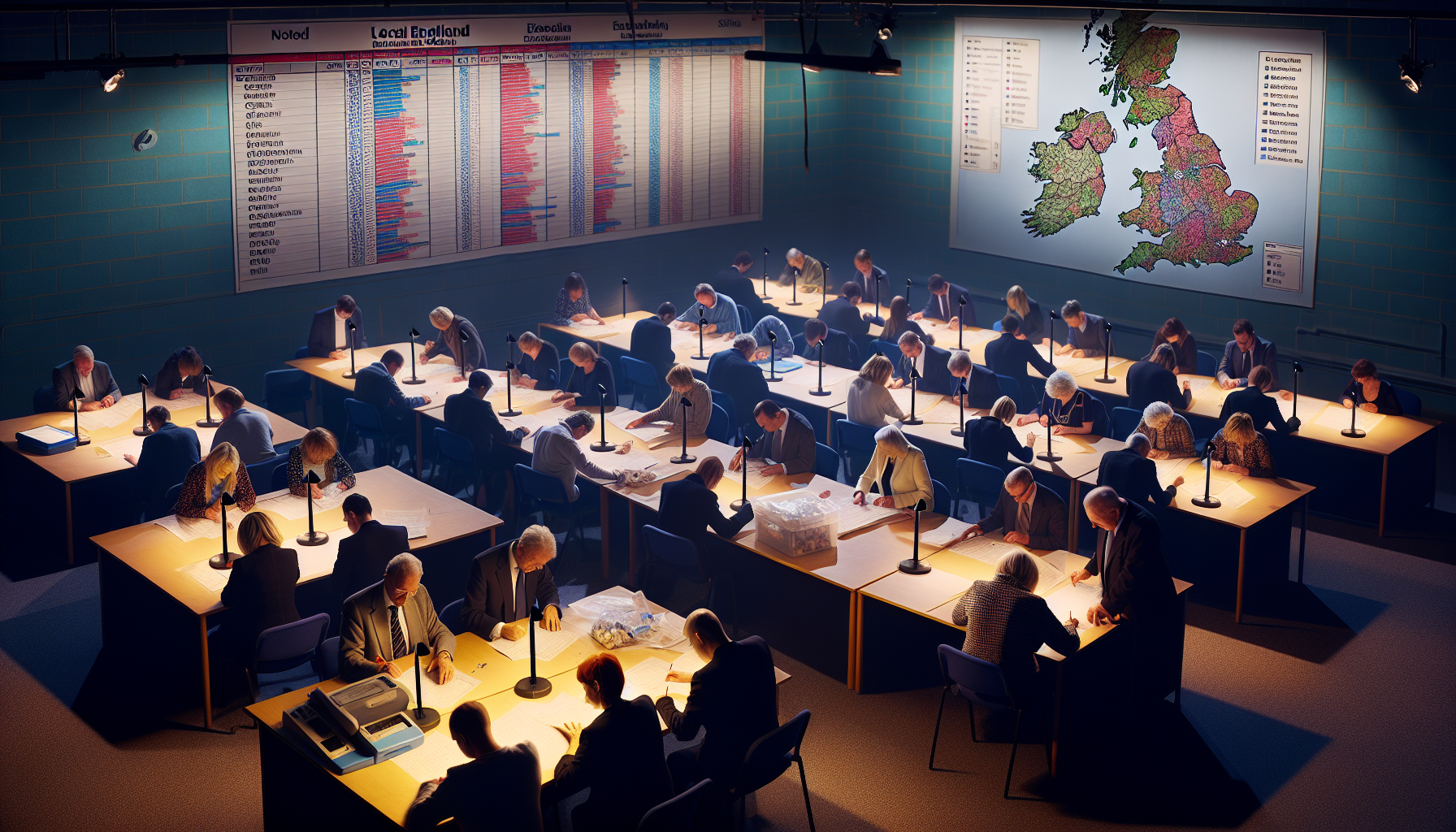
Prime Minister Sir Keir Starmer is confronting the most serious challenge of his tenure following early local election results that reveal a profound transformation in the British political landscape. Just two years after securing a historic landslide victory, the Labour Party has experienced devastating losses across its traditional strongholds, raising urgent questions about Starmer’s leadership and his future at Number 10.
In the early hours of Friday, England’s electoral map shifted dramatically as Nigel Farage’s Reform UK party capitalized on widespread voter dissatisfaction. Labour was decisively defeated in several of its most reliable areas, losing control of Tameside council for the first time in nearly fifty years. In Wigan, a former mining town, Reform UK candidates captured every seat previously held by Labour.
Meanwhile, the Green Party also made gains on the left, highlighting a significant fragmentation of the UK’s long-standing two-party system. This upheaval has been described by Sir John Curtice, Britain’s foremost pollster, as “as bad as anyone expected for Labour, or worse.” While mid-term setbacks are typical for ruling parties, the surge toward Reform UK indicates a deeper political and cultural realignment.
Nigel Farage celebrated his party’s success, which included winning over 300 council seats, calling it a “historic change” that could position Reform UK as the official opposition in Scotland and Wales. Within Labour’s “Red Wall,” voter anger appears rooted in a perceived lack of clear direction and a series of high-profile government errors. Critics have pointed to Starmer’s frequent policy reversals and the controversial appointment of Peter Mandelson as US Ambassador—who was later dismissed due to his connections with Jeffrey Epstein—as key factors undermining public confidence.
Labour MP Rebecca Long-Bailey described the losses in her Salford constituency as “soul-destroying,” reflecting growing unease among party members that Labour is losing touch with its working-class base.
Despite the electoral setbacks, Starmer’s supporters have rallied to his defense. Defence Minister John Healey asserted that Starmer remains the best person to “turn it round,” warning that the public is not interested in the “potential chaos” a leadership contest could bring. For now, Starmer benefits from Labour’s traditional reluctance to remove its leaders mid-term and the absence of immediate challengers like Andy Burnham or Angela Rayner.
However, pressure on the Prime Minister is expected to mount. Should final results from Scotland and Wales confirm a complete collapse in Labour’s support, demands for Starmer to announce a “timetable for departure” are likely to grow louder. With the next general election not due until 2029, Starmer now faces a difficult task convincing both his party and the electorate that his government can still fulfill the promise of stability that secured their victory just two years ago.
