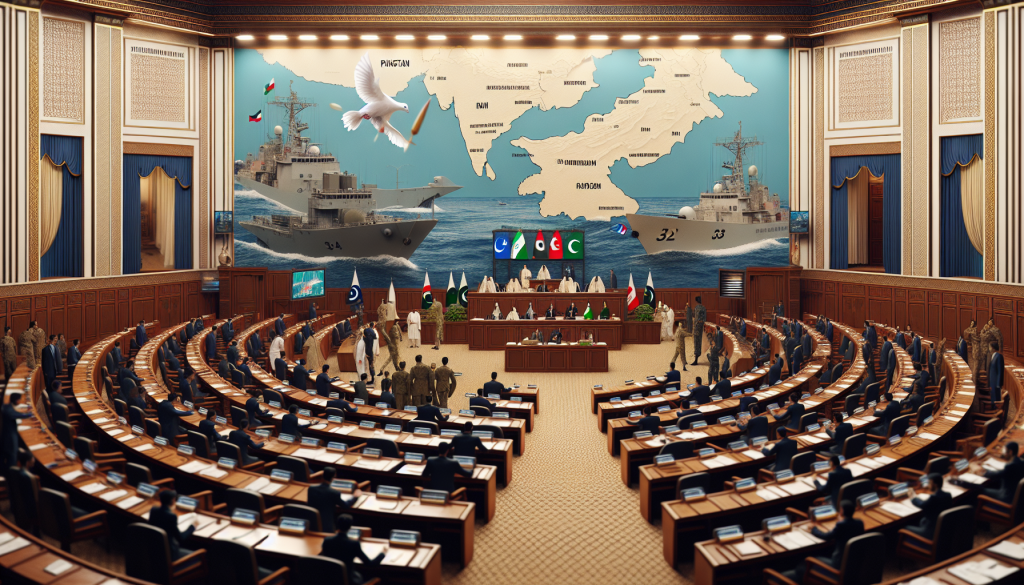
A resolution introduced in the US House of Representatives has recognized Pakistan’s diplomatic efforts in easing tensions related to the Iran conflict, describing Islamabad as a “neutral and reliable mediator” during this crisis. The proposal, brought forward by Democratic Congressman Al Green, applauds Pakistan for maintaining open diplomatic channels with all parties involved and supporting initiatives aimed at achieving a ceasefire and promoting negotiations.
This development occurs amid growing uncertainty over a fragile ceasefire between the United States and Iran. Recent reports indicate fresh military exchanges, including alleged US strikes near Iran’s Bandar Abbas and Qeshm port areas. US President Donald Trump claimed that American naval forces thwarted Iranian attacks in the Strait of Hormuz.
The resolution credits Pakistan with facilitating ongoing diplomatic communications and hosting delegations engaged in peace efforts. It highlights Islamabad’s “constructive cooperation” in fostering dialogue despite economic and logistical difficulties caused by the regional crisis.
Addressing humanitarian concerns, the resolution notes that thousands have lost their lives and millions have been displaced due to the conflict. It references United Nations estimates that approximately 3.2 million people have been forced from their homes. Additionally, the resolution underscores the economic toll of the conflict, estimating military operations cost nearly $1 billion daily while disrupting global energy markets and fuel supplies.
Emphasizing the importance of ending the conflict for regional and international peace, the resolution acknowledges Pakistan’s “positive and important diplomatic role” in these efforts. Although largely symbolic and without legal force, the resolution reflects growing recognition in Washington of Pakistan’s diplomatic engagement amid heightened Middle East tensions.
Meanwhile, President Trump affirmed that the ceasefire with Iran remains intact despite recent clashes and retaliatory strikes. In statements released by the White House and on his Truth Social platform, Trump said US forces conducted “defensive operations” in response to attacks by Iranian-backed groups targeting American interests. He asserted that US strikes damaged Iranian missile sites, command centers, and military infrastructure, cautioning Tehran against further escalation.
Trump added, “If Iran signs a peace agreement quickly, further violence can be avoided,” stressing that Washington seeks regional stability but will not tolerate attacks on US personnel or assets.
Conversely, Iranian officials accused the US of violating the ceasefire and warned of a “decisive response” to any additional military action. Iran raised air defense systems in Tehran to high alert following reports of explosions and military activity near Bandar Abbas and Qeshm port. Iranian authorities also alleged that an Iranian oil tanker was targeted in the latest attacks, though details remain unclear.
At the United Nations, Iran’s envoy criticized what he described as “biased American narratives” about the conflict and denied accusations that Tehran attempted to mine the Strait of Hormuz. He attributed the crisis to US and Israeli policies in the region, arguing that lasting peace requires ending war, sanctions, and political pressure.
Separately, Trump claimed that three US Navy destroyers safely crossed the Strait of Hormuz despite missile and drone attacks by Iranian forces. He stated that US defense systems intercepted incoming missiles and destroyed several Iranian attack boats before they could threaten American vessels.
“No normal country behaves this way in an international shipping lane,” Trump said, condemning Iran’s leadership for pursuing extremist policies and reiterating that Washington will not permit Tehran to develop nuclear weapons. Iran has consistently denied seeking nuclear arms, maintaining its nuclear program is for peaceful purposes.