

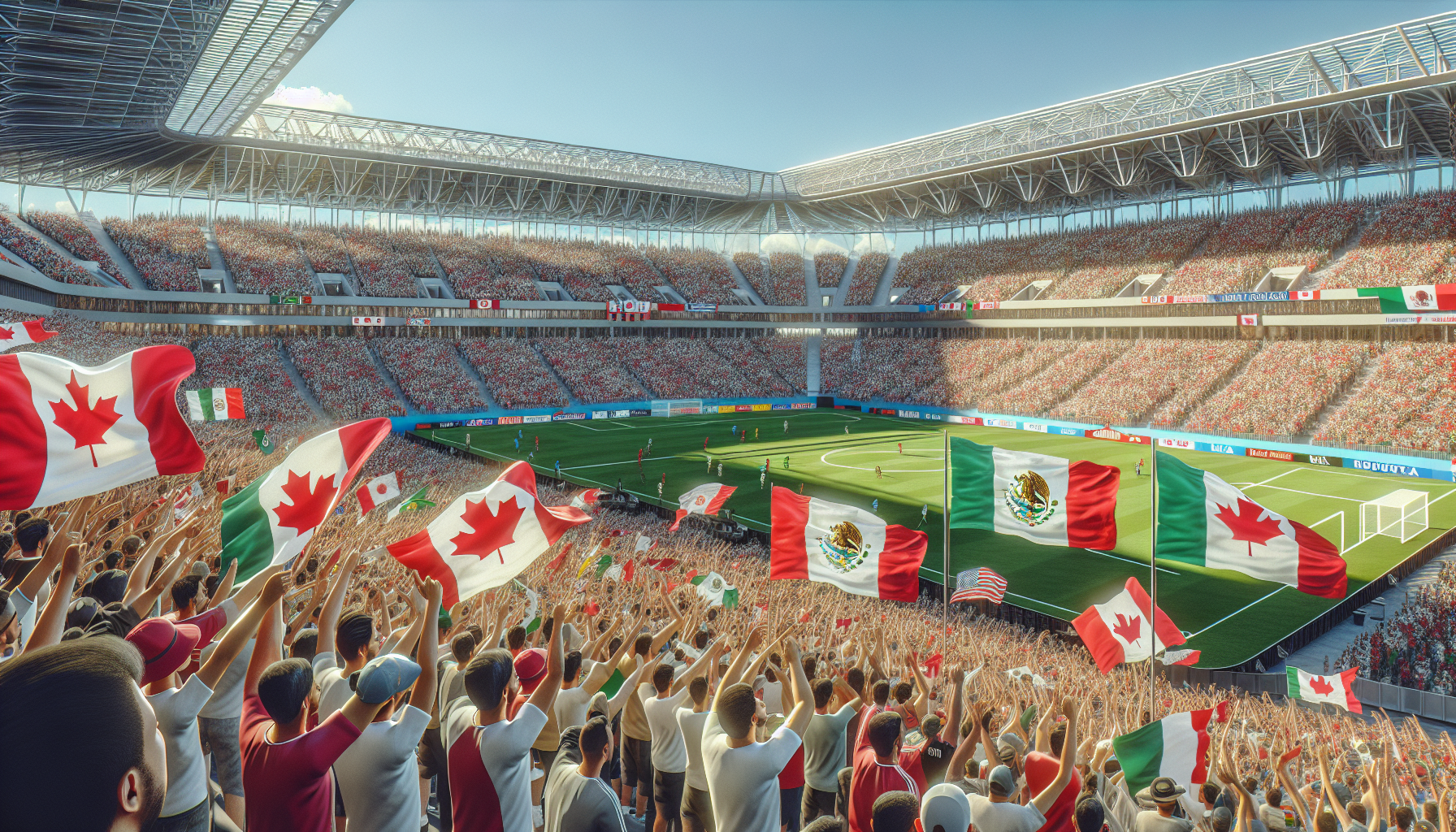
The 2026 FIFA World Cup, set to be jointly hosted by Canada, Mexico, and the United States, will feature an expanded format with 48 teams competing across multiple venues. This marks the first time the tournament will be hosted by three nations simultaneously, highlighting a significant evolution in the event’s history. The competition will be divided into 16 groups of three teams each, with the top two from each group advancing to a knockout stage of 32 teams. This new structure aims to increase the number of matches and global engagement while maintaining competitive balance.
Key dates for the tournament have been established, with the opening match scheduled to kick off in early June 2026, and the final set for mid-July. Matches will be played across 16 cities in the three host countries, showcasing a diverse range of stadiums and fan experiences. The tournament’s expanded format is expected to generate significant economic and cultural impact, boosting tourism and international cooperation among the host nations. Additionally, the increased number of games will provide more opportunities for emerging football nations to compete on the world stage.
Notably, this World Cup format represents FIFA’s response to growing global interest in football and the desire to include more teams from different confederations. The joint hosting arrangement also reflects a strategic partnership aimed at leveraging infrastructure and fan bases across North America. As preparations continue, fans worldwide eagerly anticipate a historic tournament that promises thrilling matches, new rivalries, and a celebration of football’s global reach. The 2026 World Cup is poised to set new standards for international sporting events in terms of scale and inclusivity.
