

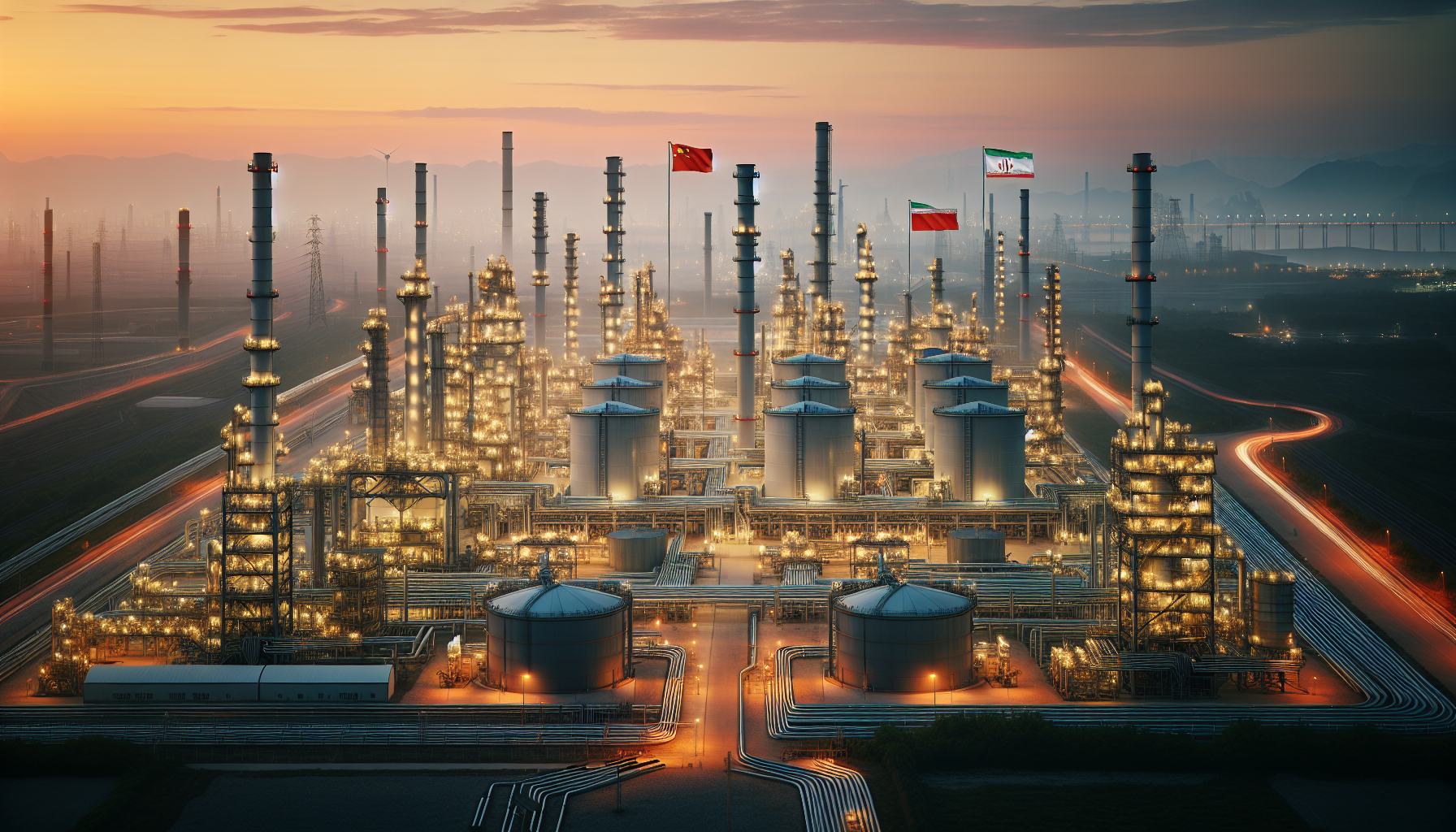
China has strongly rejected the recent sanctions imposed by the United States on several refineries due to their involvement in oil trade with Iran. This move by the US aims to curb Iran’s oil exports amid ongoing geopolitical tensions and sanctions enforcement. China, a major global oil importer, views these sanctions as an infringement on its sovereign right to conduct trade and maintain energy security. The Chinese government has reiterated its commitment to protecting its economic interests and maintaining stable energy supplies.
In a significant development, the US sanctions reflect broader efforts to isolate Iran economically and limit its influence in the global oil market. These measures target entities that facilitate Iran’s oil exports, which Washington considers a threat to regional stability and international security. Meanwhile, China continues to deepen its energy ties with Iran, underscoring the strategic partnership between the two countries despite US opposition. This stance highlights the growing divergence between US and Chinese policies in the Middle East.
The impact of these sanctions extends beyond bilateral relations, affecting global oil markets and international trade dynamics. China’s refusal to comply with US sanctions could complicate enforcement efforts and signal a shift in global power balances. Additionally, this dispute underscores the challenges faced by multinational companies navigating conflicting regulations from major powers. As tensions persist, the situation remains a critical point of contention in US-China relations and broader geopolitical affairs.
