

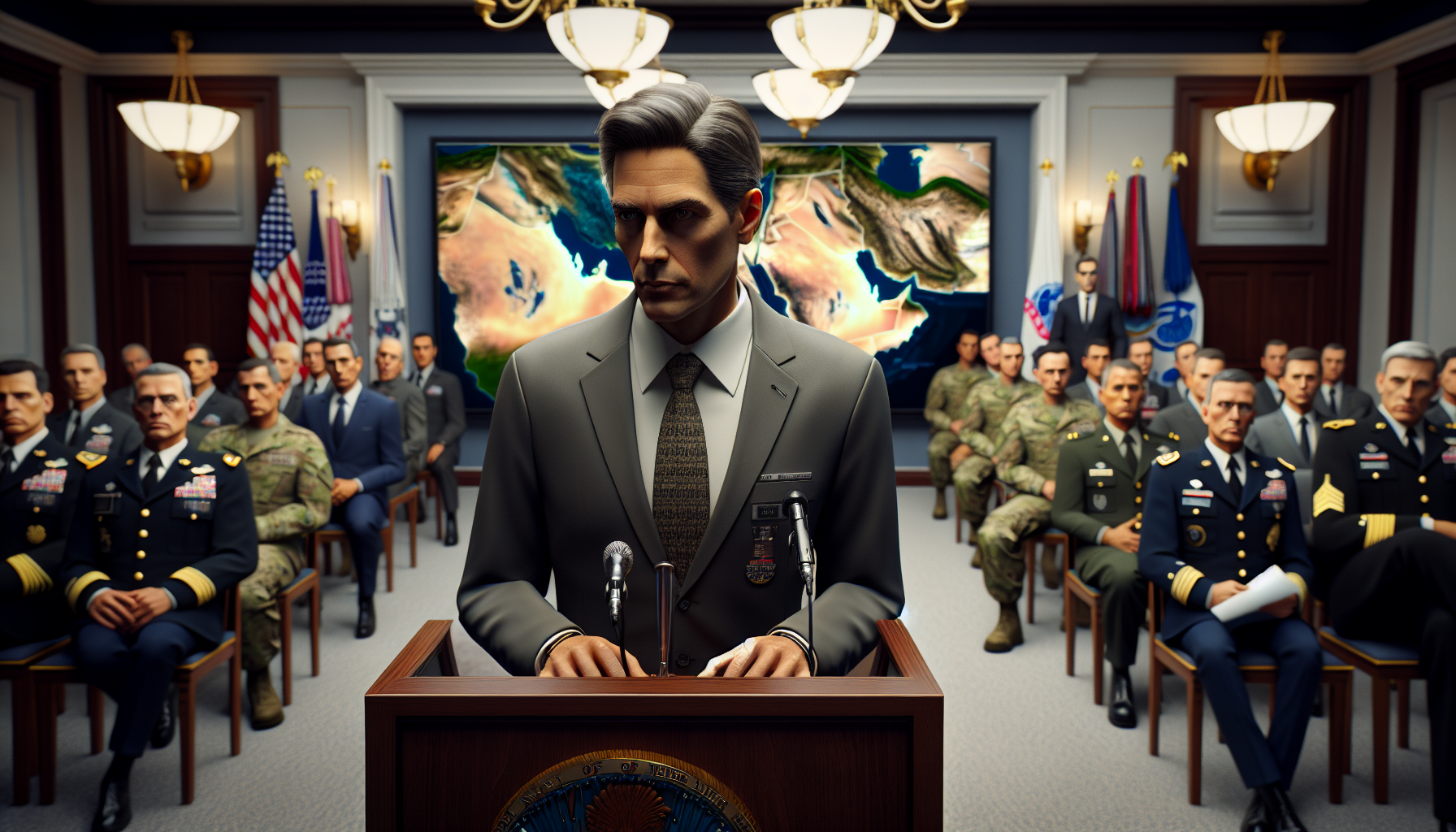
The US Defense Secretary recently declared that active hostilities between US forces and Iran have ceased, signaling a potential de-escalation in tensions. This announcement comes amid heightened scrutiny over the War Powers Act, which limits the president’s authority to engage in armed conflict without congressional approval. The ceasefire could influence the countdown on this legislative deadline, potentially resetting the clock for further military actions or negotiations.
Meanwhile, several members of Congress have expressed concerns that despite the cessation of air raids, US troops remain deployed and operational in the region. This ongoing military presence raises questions about the true extent of the ceasefire and whether it fully complies with the War Powers Act’s requirements. Lawmakers emphasize the need for transparency and accountability regarding the scope and duration of US involvement in the conflict.
In a significant development, the situation underscores the delicate balance between executive military decisions and legislative oversight in US foreign policy. The outcome of this ceasefire and the interpretation of the War Powers Act could set important precedents for future engagements with Iran and other international conflicts. Observers are closely monitoring how this dynamic will shape US defense strategy and congressional authority moving forward.
