

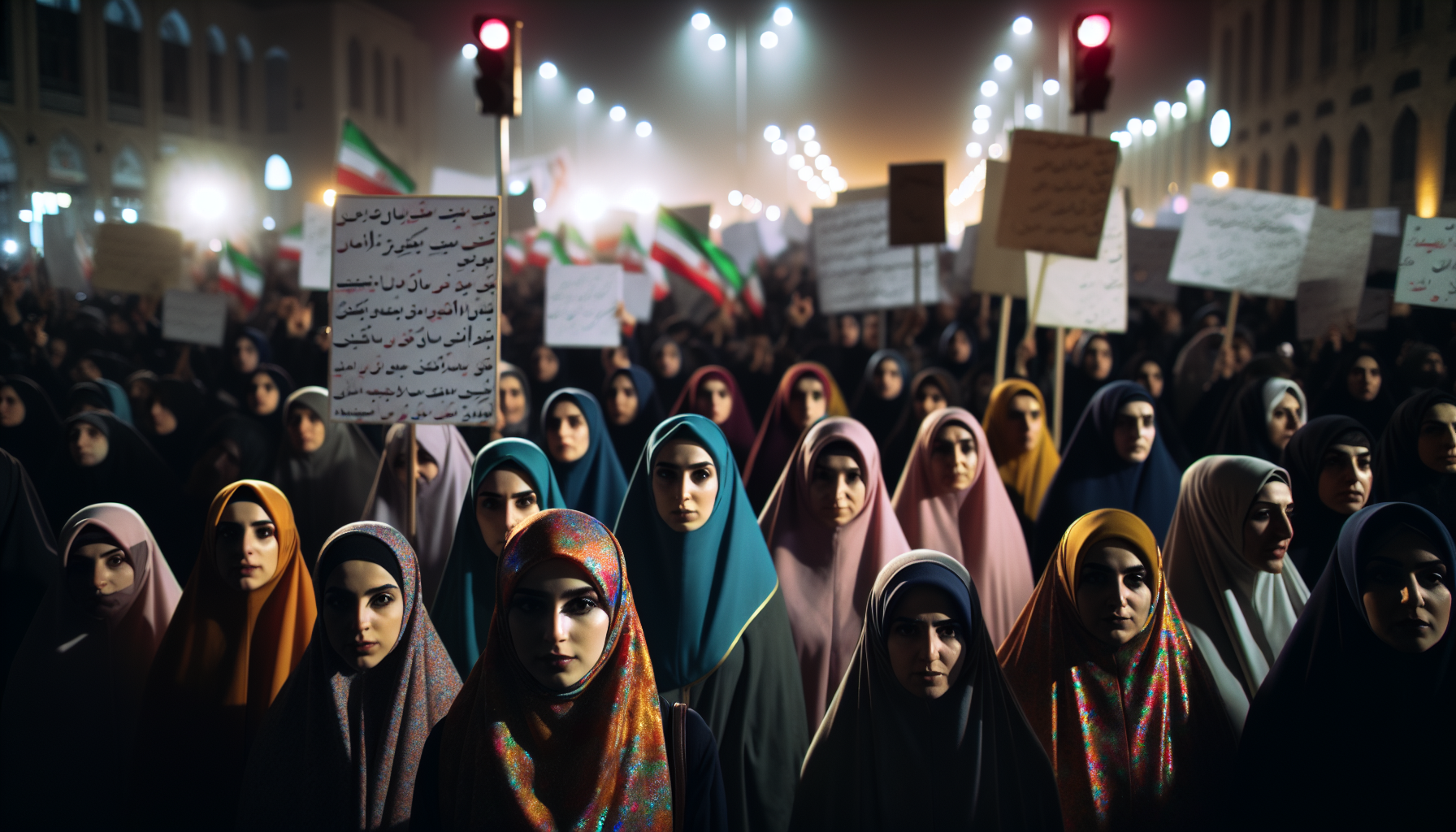
In recent years, Iranian women have courageously protested against the country’s compulsory hijab laws, demanding greater personal freedoms and gender equality. These demonstrations initially garnered significant support from Western feminist groups, who championed the cause as a symbol of resistance against oppressive regimes. However, as the Iranian government has escalated its crackdown, resulting in the deaths of many women activists, the once vocal international feminist community has largely fallen silent. This shift in response has sparked debate about the consistency and priorities of global feminist movements.
Notably, the Iranian women’s struggle is not only a fight against dress codes but also a broader battle for human rights and social justice in a deeply patriarchal society. The lethal repression faced by protesters highlights the severe risks involved in challenging authoritarian rule. Meanwhile, the muted reaction from Western feminists contrasts sharply with their earlier enthusiasm, raising questions about geopolitical biases and the limits of solidarity across cultural and national boundaries. This silence may undermine the momentum and visibility of the ongoing resistance within Iran.
In a significant development, the international community’s response to the Iranian women’s plight could influence future advocacy and policy decisions regarding human rights in the region. The lack of sustained support from prominent feminist voices risks marginalizing the issue and emboldening oppressive regimes. Therefore, renewed attention and active engagement from global feminist networks are crucial to amplify the voices of Iranian women and pressure authorities to end violence and discrimination. Ultimately, the situation underscores the complexities of transnational feminist solidarity in the face of political repression.
