

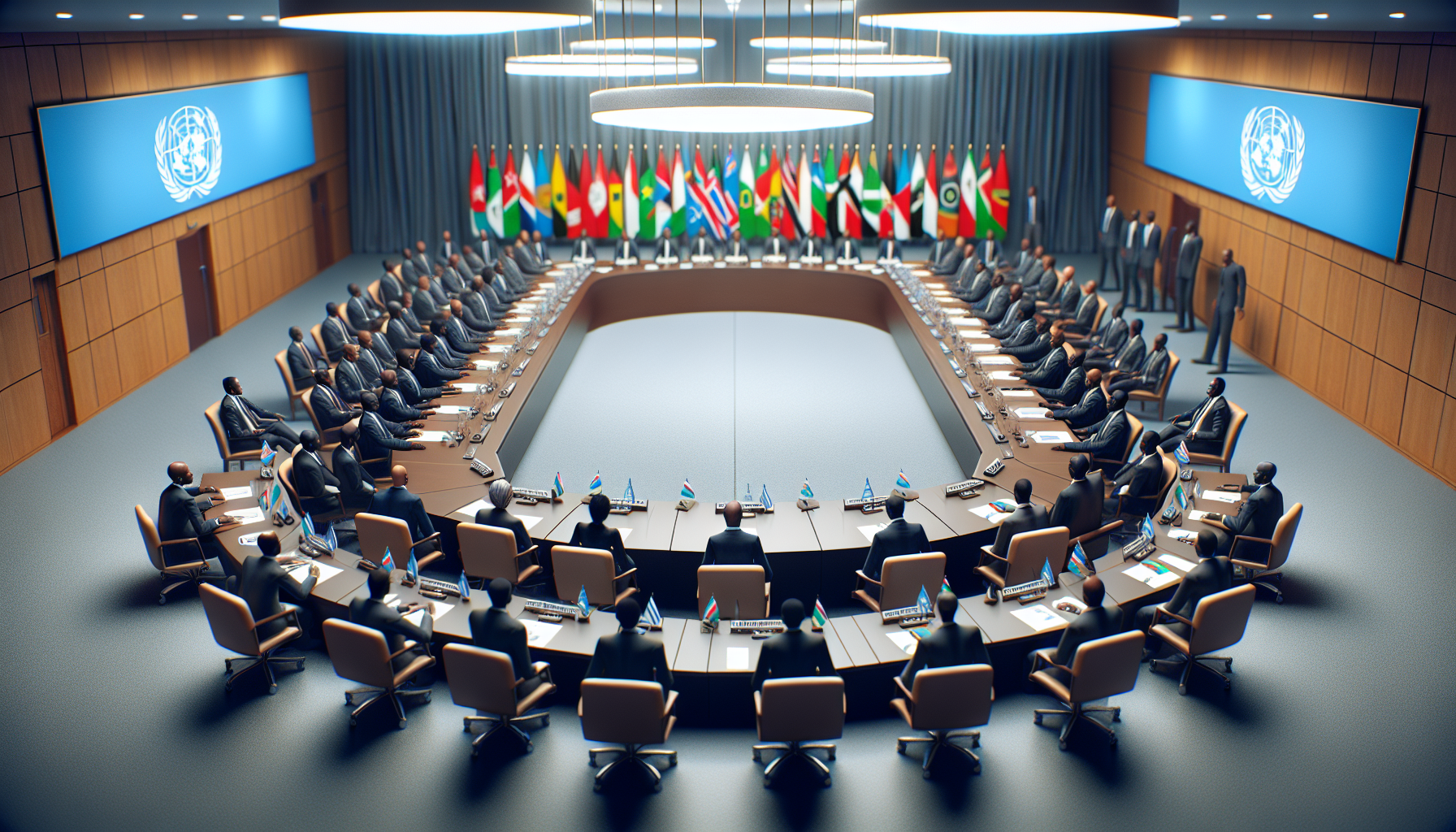
Somalia is increasingly asserting itself in international security discussions by securing new positions within the United Nations and the African Union. This development marks a significant change from its previous status as a passive subject of decisions made by global powers. By participating directly in these forums, Somalia is now contributing to shaping policies that affect its own security and regional stability. This shift reflects the country’s growing diplomatic influence and its efforts to rebuild governance structures after decades of conflict.
Historically, Somalia has faced challenges including civil war, terrorism, and humanitarian crises, which often placed it at the mercy of external actors’ decisions. The new roles at the UN and AU indicate recognition of Somalia’s progress in stabilizing its institutions and its readiness to engage as a partner rather than merely a recipient of aid or intervention. This change also aligns with broader international trends emphasizing local ownership of security solutions in conflict-affected regions.
In a significant development for regional security dynamics, Somalia’s active involvement in these global platforms could enhance cooperation on counterterrorism, peacekeeping, and development initiatives. It may also encourage other nations facing similar challenges to seek greater agency in international decision-making. Ultimately, Somalia’s evolving role underscores the importance of inclusive dialogue in addressing complex security issues and promoting sustainable peace in the Horn of Africa and beyond.
