

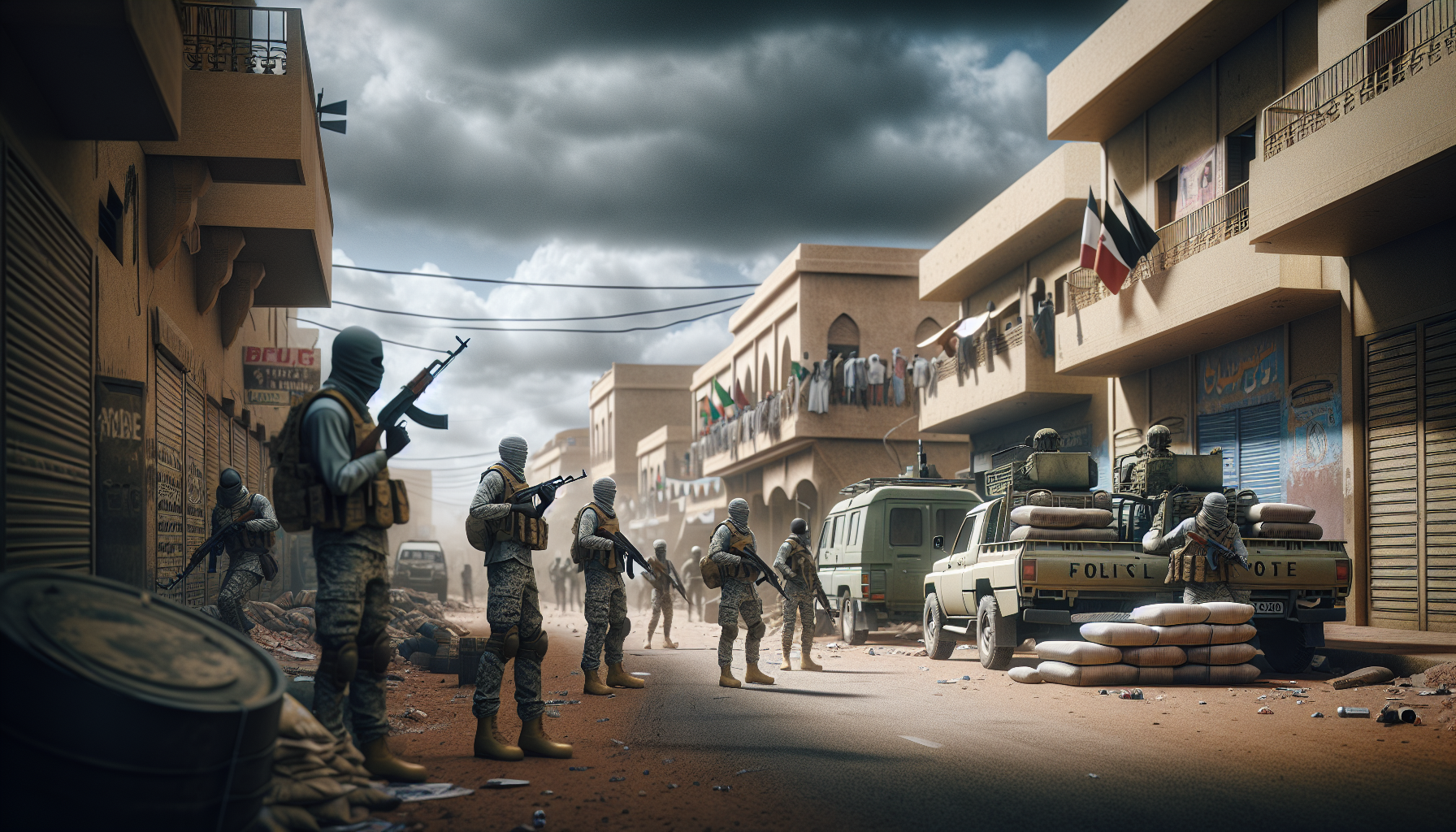
An Islamist faction has intensified its blockade around Bamako, the capital of Mali, exacerbating the nation’s ongoing instability. This move follows a wave of attacks across the country, including the recent assassination of Mali’s defense minister, a key figure in the government’s security apparatus. The blockade has severely restricted movement and access to essential supplies, raising concerns among residents and international observers alike.
In a significant development, the assassination of the defense minister marked a turning point in Mali’s security landscape, highlighting the growing threat posed by militant groups. These attacks have undermined government control and complicated efforts to restore peace in a country already grappling with insurgency and political turmoil. The blockade further isolates the capital, disrupting daily life and economic activities.
Meanwhile, the tightening of the blockade signals a strategic attempt by the Islamist group to consolidate power and challenge the Malian government’s authority. The situation has drawn international attention, with calls for increased support to stabilize the region. The blockade’s impact on humanitarian access and the broader security environment remains a critical concern as Mali faces an uncertain future.
