

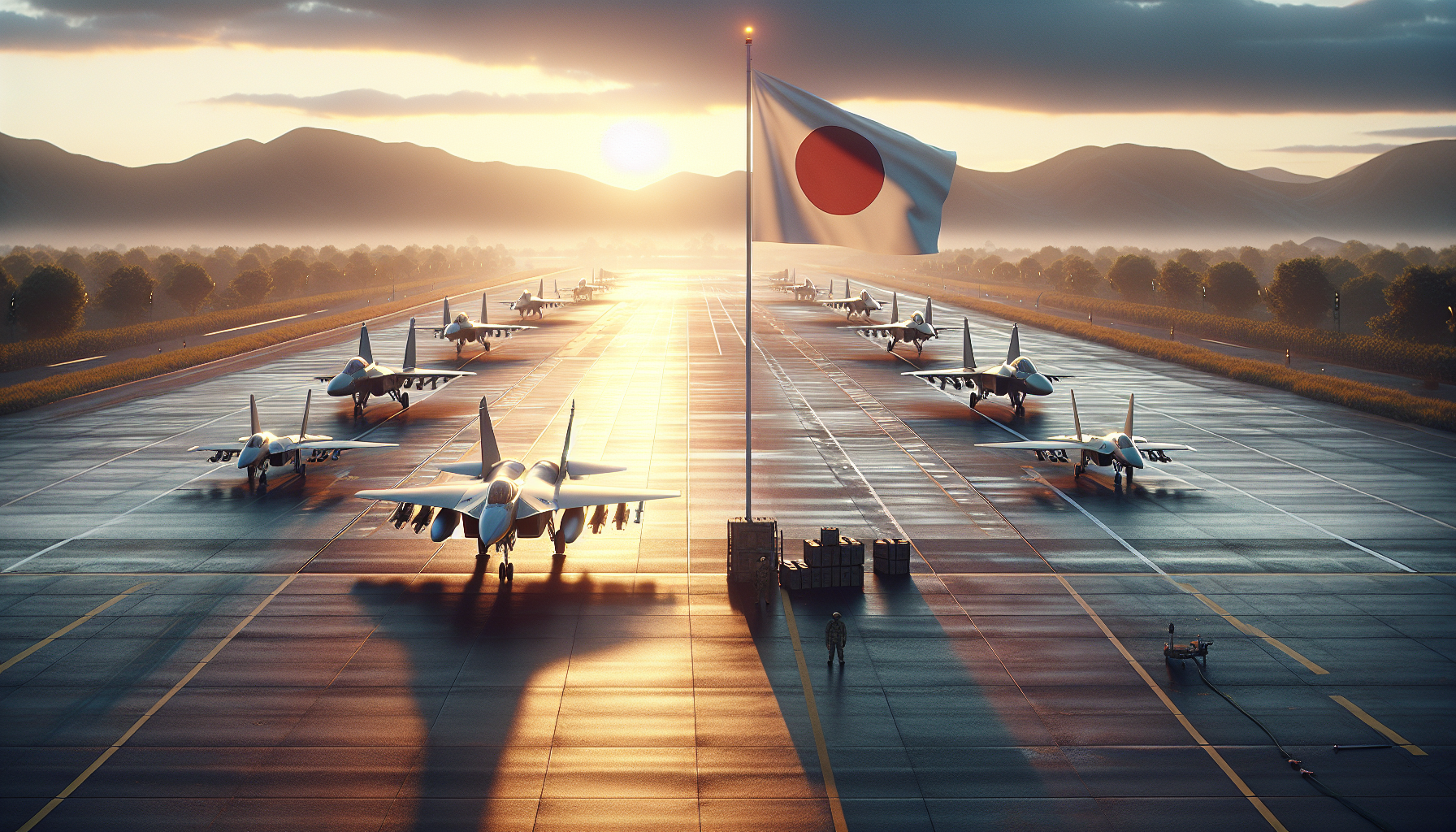
Japan is poised to lift its longstanding prohibition on exporting lethal weapons, signaling a major transformation in its post-World War II pacifist stance. This policy shift will allow the country to sell advanced military equipment, such as fighter jets, to foreign nations for the first time in decades. The move reflects Japan’s response to evolving regional security challenges and its desire to strengthen defense partnerships globally.
Historically, Japan’s pacifist constitution has restricted its military capabilities and arms exports, emphasizing self-defense and non-aggression. However, growing geopolitical tensions in East Asia, particularly concerns over North Korea’s missile program and China’s military expansion, have prompted Tokyo to reconsider its defense posture. By enabling weapons exports, Japan aims to enhance its strategic influence and contribute more actively to international security frameworks.
In a significant development, this policy change could boost Japan’s defense industry and foster closer ties with allied countries seeking advanced military technology. It also marks a departure from decades of restraint, potentially reshaping regional power dynamics. Meanwhile, the decision has sparked debate domestically about the implications for Japan’s pacifist identity and its role on the global stage.
