

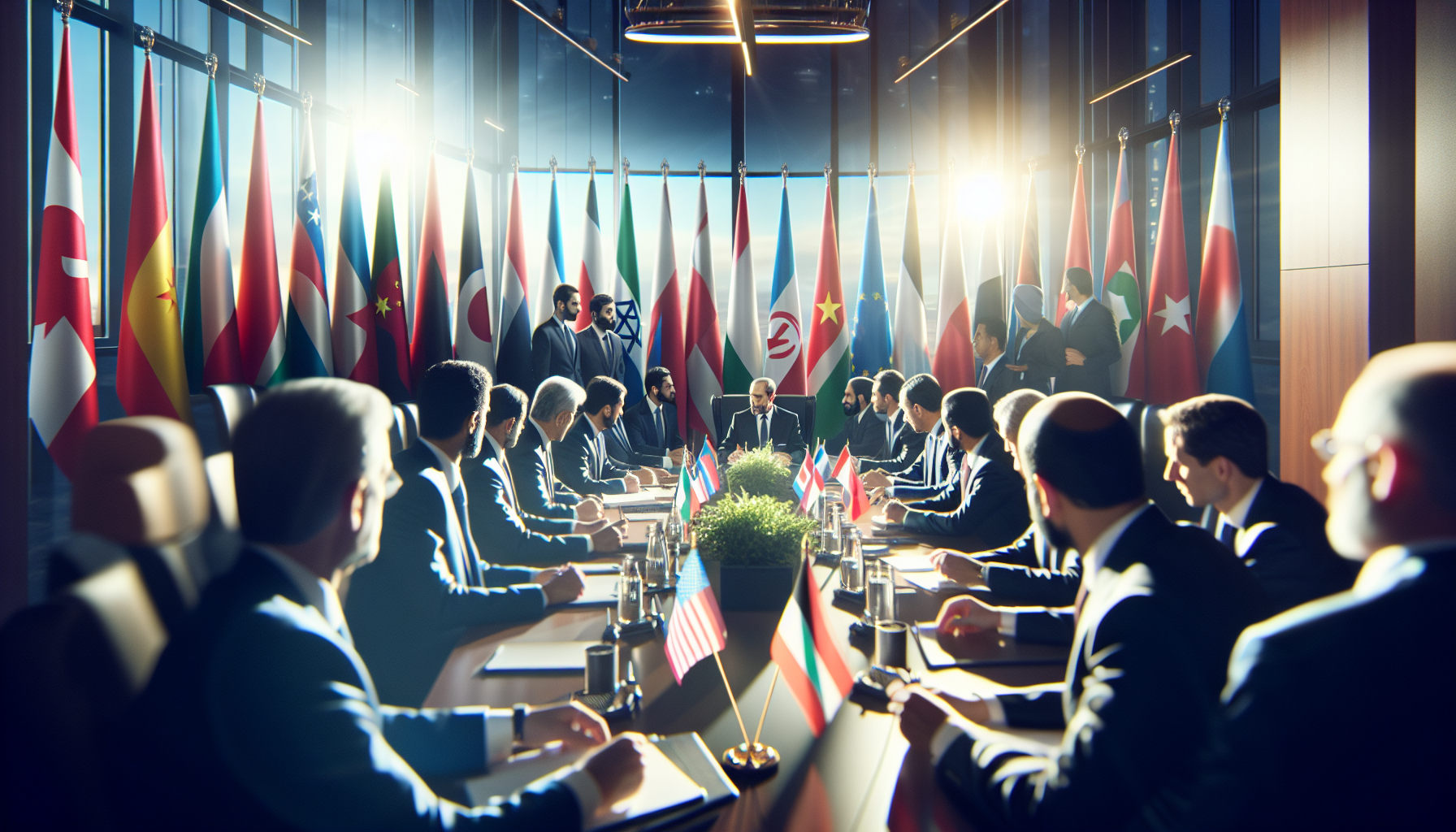
Mohammad Bagher Ghalibaf, a prominent Iranian political figure who headed Iran’s delegation in negotiations aimed at ending the conflict, expressed strong disapproval of the US delegation’s conduct. He stated that the American team was unsuccessful in establishing trust, a critical component for any meaningful resolution. This remark highlights the persistent mistrust between the two nations, complicating diplomatic efforts. Ghalibaf’s comments came amid ongoing tensions that continue to affect regional stability.
In a significant development, Iranian authorities have maintained a defiant stance, encouraging their supporters to stay engaged in public demonstrations. This call to action underscores the government’s intent to project strength and solidarity internally, despite international pressures. The persistence of street protests reflects deep-rooted dissatisfaction and the complex socio-political dynamics within Iran. Such public mobilization often serves as a barometer for the regime’s resilience and popular support.
Meanwhile, the failure to build trust between Iran and the US delegation during these talks signals broader challenges in achieving peace and reconciliation. The diplomatic impasse has implications not only for bilateral relations but also for global security and economic interests, particularly in the Middle East. Analysts suggest that without renewed confidence and constructive dialogue, the prospects for a peaceful resolution remain uncertain. The situation continues to demand close international attention and strategic engagement.
