

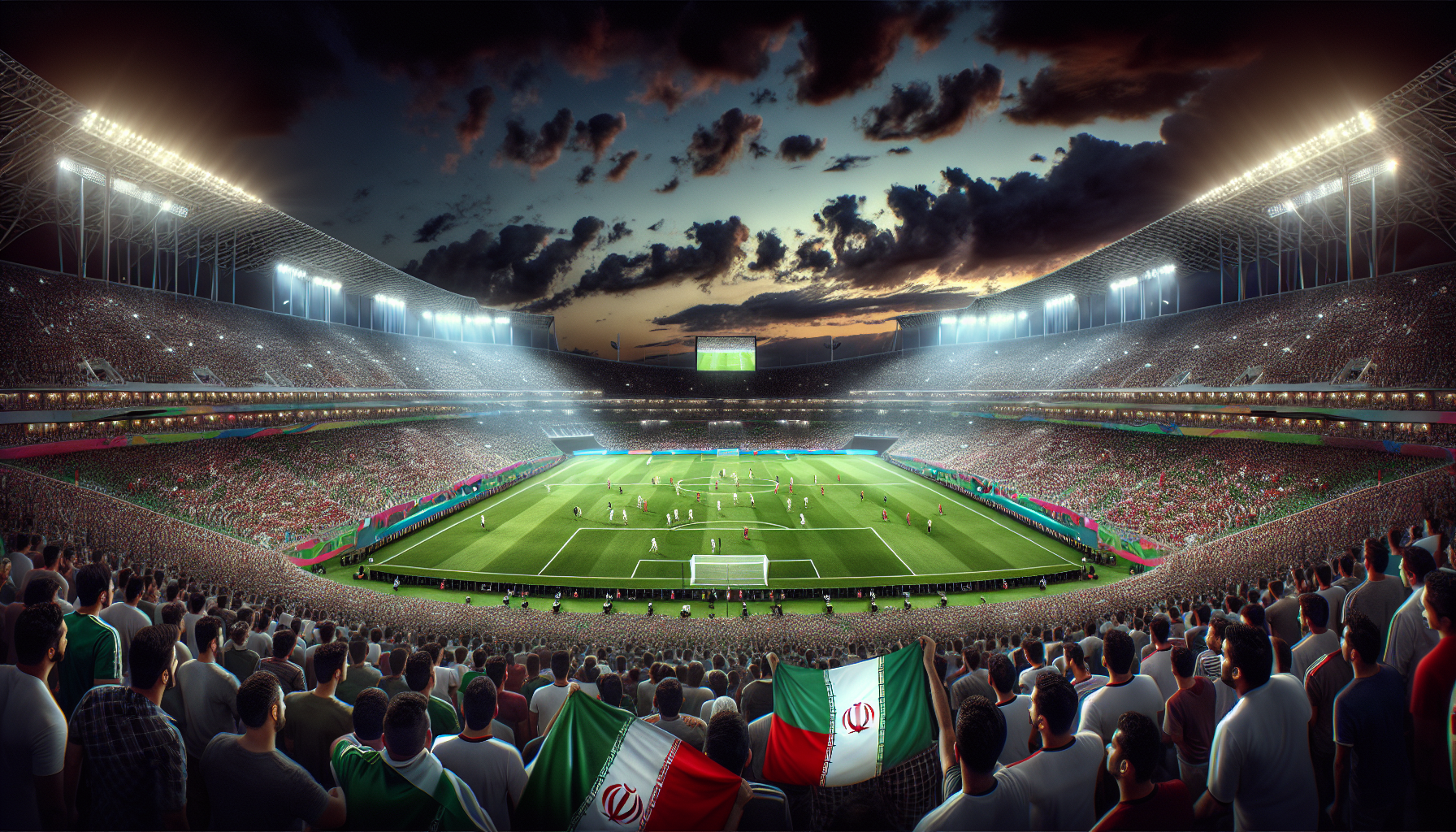
Iran’s participation in the upcoming FIFA World Cup faces uncertainty as the country has formally requested that its matches be relocated to Mexico. This move comes amid heightened tensions linked to the ongoing conflict between the United States and Israel, which has raised security concerns for Iran’s scheduled games. The Iranian sports minister emphasized that the team’s ability to compete hinges on FIFA’s approval of this relocation request. This development highlights the complex intersection of international politics and global sporting events.
In a significant development, Iran’s appeal to FIFA underscores the broader impact of geopolitical conflicts on international sports. The US-Israeli war has created an environment where hosting matches in the United States, originally planned venues, is now considered risky for Iranian players and officials. The decision by FIFA will not only affect Iran’s World Cup journey but may also set a precedent for how global sports organizations handle security issues arising from international disputes. Meanwhile, Mexico stands as a potential alternative host, reflecting its growing role in international football events.
The outcome of FIFA’s response will have far-reaching implications for the tournament’s logistics and the principle of ensuring player safety amid political strife. Iran’s situation brings attention to the challenges faced by sports governing bodies in balancing fairness, security, and diplomacy. Should FIFA approve the relocation, it could influence future protocols for teams affected by geopolitical conflicts. The global football community awaits FIFA’s decision, which will shape the narrative of this World Cup and its commitment to inclusivity despite external pressures.
