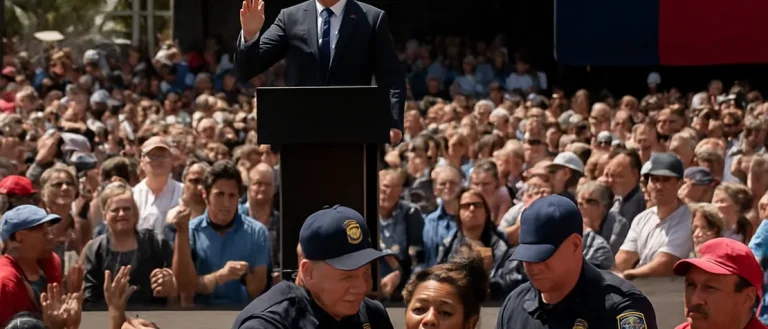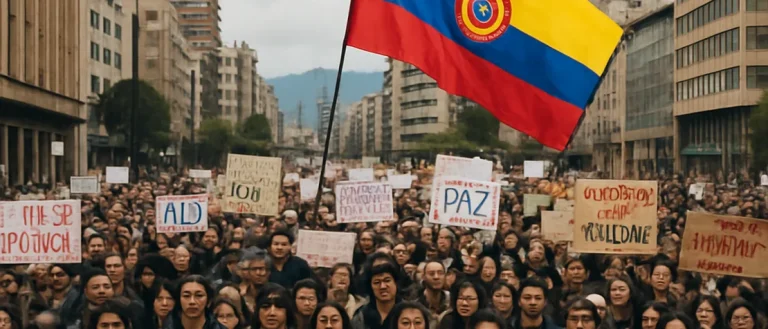



In a significant development in New Delhi, police detained several opposition politicians and demonstrators amid protests concerning the appointment and conduct of the election chief. The protests reflect growing political tensions and dissatisfaction with the electoral process, as opposition parties question the impartiality and decisions of the election authority. These detentions occurred during organized demonstrations aimed at drawing attention to alleged irregularities and demanding accountability from the election commission.
The role of the election chief in India is critical, as this official oversees the conduct of elections in the world’s largest democracy, ensuring free and fair voting. Opposition parties have increasingly voiced concerns about the neutrality of the election commission, especially in the context of recent elections where allegations of bias and procedural lapses have surfaced. The detentions highlight the escalating political friction and the challenges faced by democratic institutions in maintaining public trust.
Meanwhile, these events have broader implications for India’s democratic framework, as protests and police actions underscore the contentious nature of electoral governance. The situation could influence upcoming elections and political alignments, with opposition groups mobilizing support against perceived institutional biases. The government’s response to these protests and the handling of the election commission’s role will be closely watched both domestically and internationally for their impact on democratic norms and political stability in India.