Pakistan reiterated its appeal for diplomatic engagement to ease regional tensions as the United States and Iran remain deadlocked over efforts to resolve their ongoing conflict. The war, which started in late February and has been under a ceasefire since April 8, has significantly disrupted global energy supplies and escalated tensions in the Middle East, especially around the Strait of Hormuz, a vital corridor for international oil shipments.
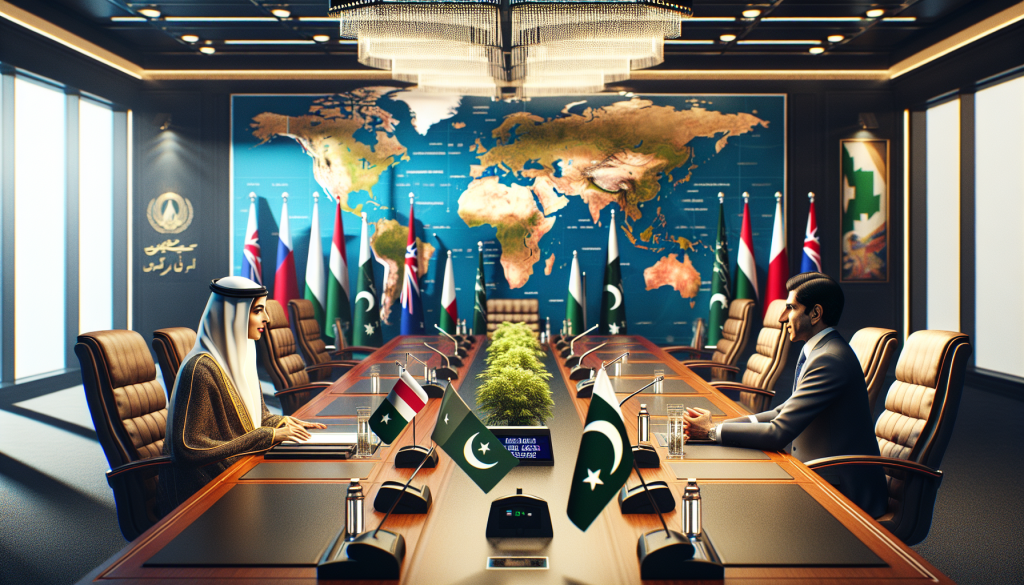
In a recent development, Pakistan’s Foreign Minister Ishaq Dar spoke with Kuwaiti Foreign Minister Sheikh Jarrah Jaber Al-Ahmad Al-Sabah to discuss the evolving regional dynamics and their economic consequences. During the conversation, Ishaq Dar emphasized Pakistan’s persistent commitment to fostering constructive dialogue and diplomacy aimed at achieving peace and stability both regionally and beyond.
Kuwait’s foreign minister acknowledged Pakistan’s role in promoting dialogue and supporting long-term peace and security across the broader region. Pakistan has previously acted as a mediator by hosting indirect talks between Washington and Tehran, although progress has stalled despite the fragile ceasefire and occasional diplomatic exchanges.
The conflict has severely impacted energy markets following heightened tensions near the Strait of Hormuz, through which approximately 20% of the world’s oil passes. Iran has imposed shipping restrictions in the area, while the United States has intensified its measures against Iranian maritime activities.
On Friday, U.S. President Donald Trump expressed dissatisfaction with a new Iranian proposal presented via mediators but noted that indirect discussions were ongoing. Meanwhile, Iran has submitted a draft proposal through Pakistani intermediaries, though the specifics remain undisclosed.
Diplomatic efforts continue, with Pakistan and other regional stakeholders advocating for renewed negotiations despite persistent disagreements over Iran’s nuclear program and maritime security issues in the Gulf.