



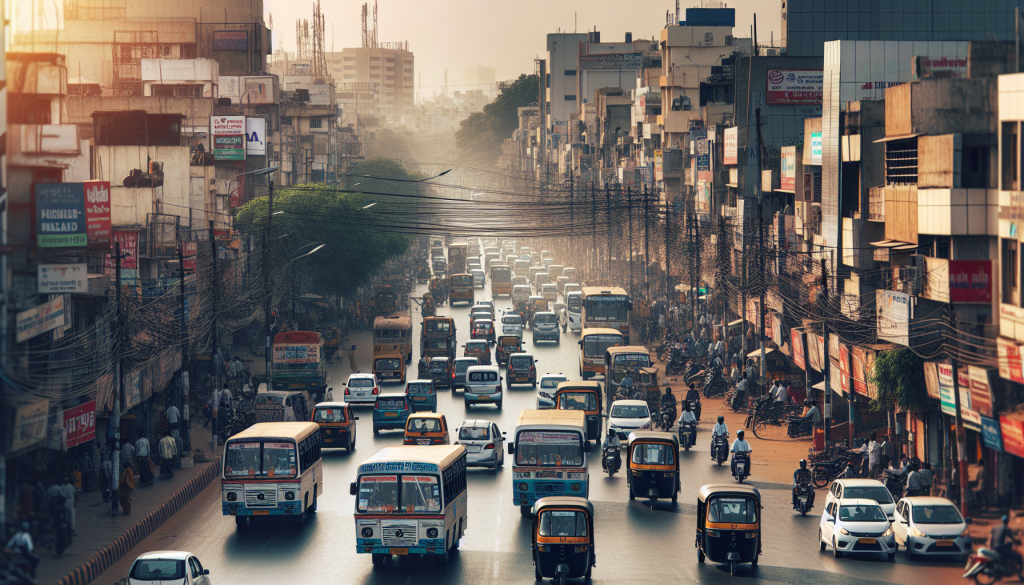
Pakistan’s annual inflation rate climbed to 10.9 percent in April, marking the highest level in 20 months, primarily fueled by a significant rise in transport expenses, official figures revealed on Saturday.
The Pakistan Bureau of Statistics reported that the Consumer Price Index (CPI) jumped from 7.3 percent in March to this elevated level, representing its strongest increase since July 2024 and surpassing the State Bank of Pakistan’s target range of 5 to 7 percent.
In a significant development, this inflation surge followed the central bank’s decision to raise its policy rate by 100 basis points to 11.5 percent, a move aimed at curbing inflationary pressures.
Authorities linked the inflationary spike mainly to escalating transport and fuel prices, which have been affected by rising global oil costs amid Middle East tensions and disruptions near the Strait of Hormuz.
Transport inflation soared to 29.9 percent year-on-year in April, up sharply from 12.5 percent in March. Meanwhile, housing and utilities inflation increased to 16.8 percent from 11.5 percent, and food and non-alcoholic beverage inflation rose to 7.6 percent from 3.6 percent.
On a monthly basis, the CPI grew by 2.5 percent in April, the fastest rate in nine months, compared to a 1.2 percent rise in March.
This inflationary pressure poses a challenge for policymakers as Pakistan continues to face external shocks and rising energy costs, which are contributing to broader inflation trends across the economy.

Leave an opinion