



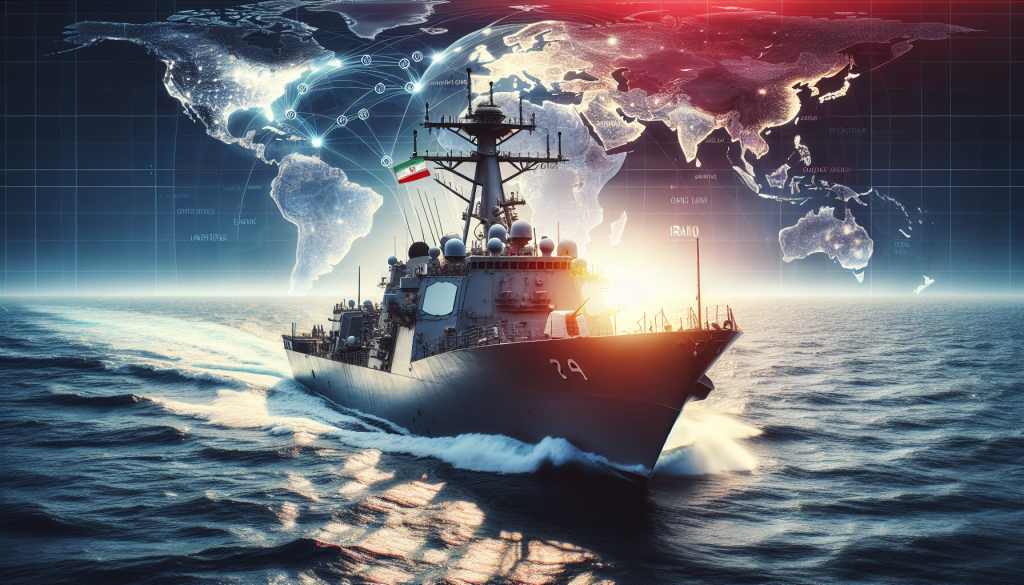
In a significant development, Pete Hegseth has stated that the United States’ blockade targeting Iran is expanding beyond regional confines to a global level. This move reflects the intensifying geopolitical struggle surrounding Iran’s nuclear ambitions and regional influence. The US has long imposed sanctions and maritime restrictions aimed at curbing Iran’s economic and military capabilities. Broadening the blockade globally could impact international trade routes and diplomatic relations with countries involved in commerce with Iran.
Historically, US sanctions on Iran have focused on limiting Tehran’s access to financial systems and oil exports, aiming to pressure the regime into compliance with international nuclear agreements. Expanding these efforts globally signals a more aggressive stance, potentially involving allied nations and international waters. This escalation may provoke responses from Iran and its allies, increasing risks of confrontation in strategic regions such as the Persian Gulf and beyond.
Meanwhile, the global expansion of the blockade could have wider repercussions for global energy markets and international diplomacy. Countries dependent on Iranian oil or trade might face challenges navigating the new restrictions, complicating efforts to maintain balanced foreign relations. The announcement underscores the ongoing volatility in US-Iran relations and the broader struggle for influence in the Middle East and global trade networks.

Leave an opinion