



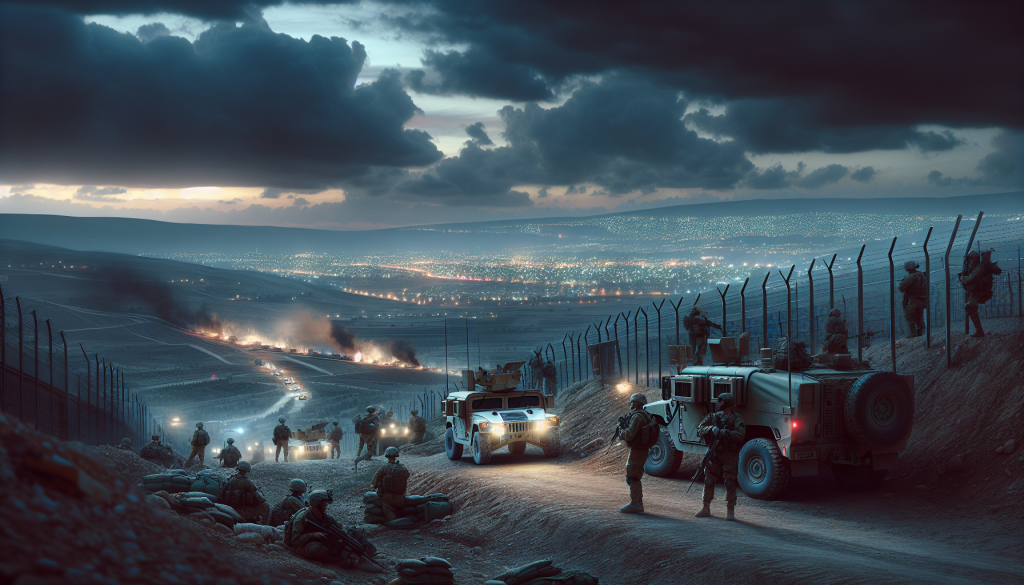
The ten-day ceasefire between Israel and Hezbollah, which began at midnight on Friday, is already under strain due to reports of multiple violations. The Lebanese Army has accused Israel of conducting “acts of aggression” shortly after the truce took effect, casting a shadow over the celebrations in Beirut where thousands had gathered to mark the pause in hostilities.
Despite celebratory gunfire and rockets lighting up the Lebanese capital at midnight, the situation remains volatile. The Lebanese military issued a statement urging residents in southern border villages to remain cautious and avoid returning to their homes due to ongoing intermittent shelling and continued Israeli military operations in the area.
Meanwhile, the Israeli military has not directly responded to the shelling allegations but confirmed that its forces remain deployed in the region. Avichay Adraee, an Arabic-speaking spokesperson for the Israel Defense Forces, emphasized that the continued presence is a necessary measure in response to ongoing Hezbollah militant activities. Hezbollah, for its part, stated that its last military action took place at 11:50 pm on Thursday, adhering strictly to the midnight ceasefire deadline.
In a significant development beyond Lebanon, US President Donald Trump has expressed optimism about a potential peace agreement with Iran. Speaking outside the White House, Trump indicated that the United States and Iran are “very close” to finalizing a deal that would prevent Tehran from developing nuclear weapons for at least 20 years. He attributed this progress to a month-long bombing campaign combined with a “powerful blockade” that pressured Iran to negotiate.
Trump also mentioned that if the agreement is reached during upcoming talks in Islamabad, he might personally travel to Pakistan to sign the accord. Vice President JD Vance and Secretary of State Marco Rubio have already been dispatched to lead diplomatic efforts in the region.
The conflict, which began on 28 February, has severely impacted the regional economy and caused global oil prices to surge due to the closure of the Strait of Hormuz. Pakistan’s Chief of Defence Forces, Field Marshal Asim Munir, is spearheading international mediation efforts to resolve contentious issues surrounding Iran’s stockpile of highly enriched uranium (HEU).
a possible compromise where Iran may agree to export part of its HEU in exchange for the lifting of sanctions and the release of frozen assets. However, Iranian officials insist that the Strait of Hormuz will only fully reopen once the United Nations guarantees a permanent ceasefire, protecting Iran from future US or Israeli attacks.
As US Defence Secretary Pete Hegseth warns that military forces remain ready to resume combat, global attention is focused on the Islamabad summit. The world hopes this diplomatic push will end the oil price shock and avert the threat of a global recession.

Leave an opinion