



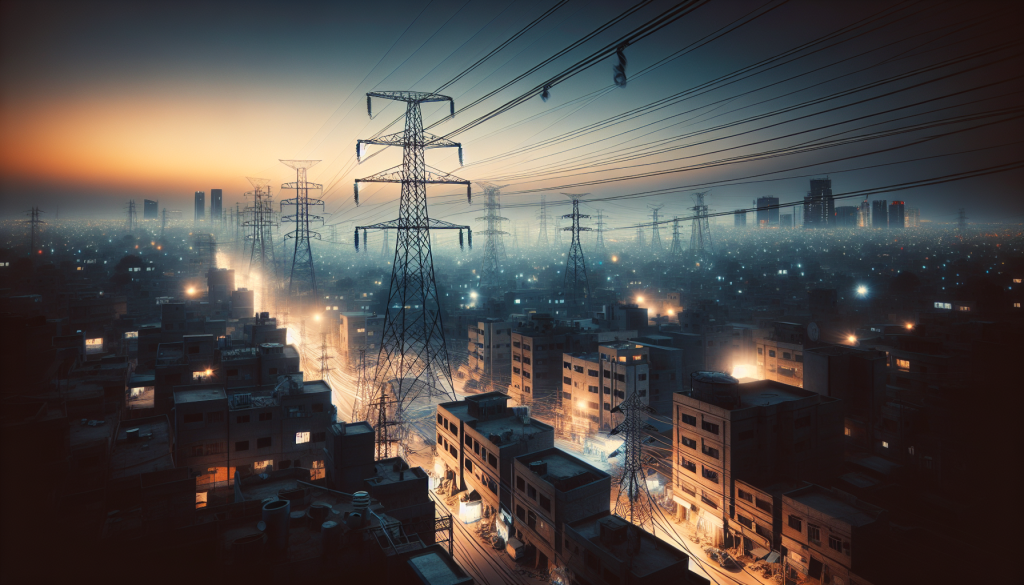
The government has reinstated scheduled electricity outages lasting just over two hours during peak evening periods, attributing the decision to fuel shortages and escalating costs of power generation. The Power Division outlined that power cuts will occur for approximately 2.25 hours daily between 5 PM and 1 AM.
This initiative, labeled the “Peak Relief Strategy,” aims to reduce dependence on costly fuels and avoid a steep increase in electricity tariffs. The move comes after disruptions in liquefied natural gas (LNG) imports, following Qatar’s declaration of force majeure due to regional conflicts affecting its gas infrastructure, which has significantly limited fuel availability for power plants.
Meanwhile, electricity demand has surged to nearly 19,000 megawatts, creating a shortfall of about 4,000 MW, particularly impacting Punjab and northern areas. Additionally, lower-than-anticipated hydropower generation and challenges in transmitting more affordable energy from Sindh have intensified the strain on the system.
Officials maintain that while the demand could technically be met, it would require using expensive fuels, potentially causing electricity prices to rise sharply. The current strategy is expected to restrict tariff increases to around Rs1.5 per unit, compared to a possible Rs5-6 hike without these measures.
Efforts are underway to stabilize the situation, including supplying local gas to power plants and enhancing system efficiency. Authorities have assured that outage schedules will be communicated in advance and that unplanned load-shedding will be avoided. Notably, regions such as Karachi and Hyderabad will be exempt due to their access to cheaper local energy sources.
The government is closely monitoring developments and remains committed to minimizing the financial impact on consumers while managing ongoing global energy challenges.

Leave an opinion