



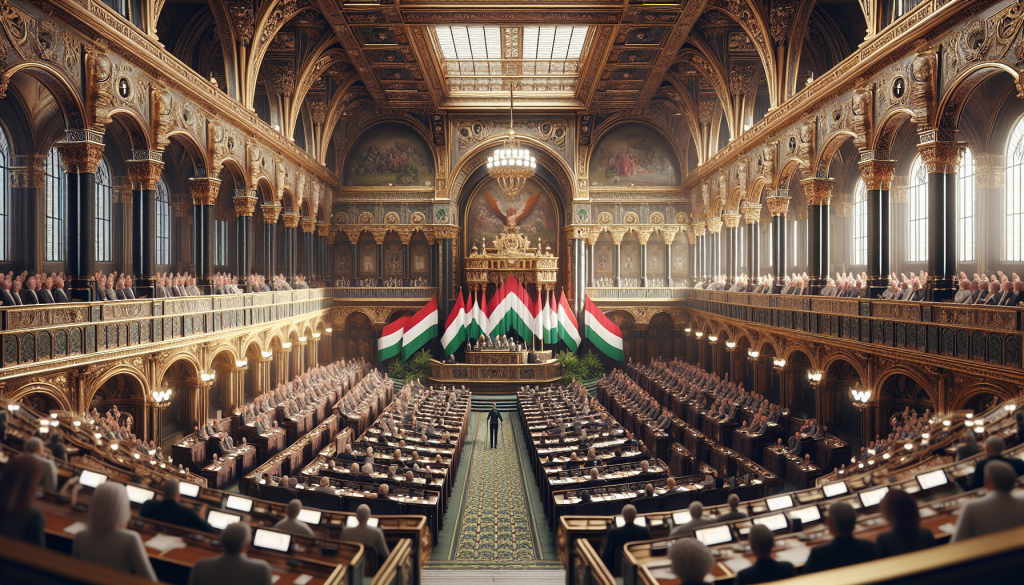
Viktor Orbán has served as Hungary’s prime minister since 2010, marking over a decade and a half of continuous leadership. During this period, he has implemented sweeping changes that have significantly altered the country’s political landscape. His governance style has sparked intense debate, with many observers noting a shift away from traditional democratic norms. Orbán’s tenure is characterized by efforts to consolidate power and influence various state institutions.
In a significant development, the European Parliament has labeled Hungary under Orbán’s rule as a “hybrid regime of electoral autocracy,” highlighting concerns about democratic backsliding. This designation points to a system where elections occur but are undermined by restrictions on opposition and media freedom. Orbán’s government has been accused of curbing judicial independence and limiting civil society’s role, raising alarms across Europe. These actions have strained Hungary’s relations with the European Union and other international bodies.
Meanwhile, Orbán’s political resilience is notable as he continues to maintain substantial support domestically despite criticism. His policies often emphasize national sovereignty, conservative values, and economic nationalism, resonating with a significant portion of the Hungarian electorate. The upcoming political contests will test his ability to sustain power amid growing opposition and external pressure. The outcome will have important implications for Hungary’s democratic future and its position within the European community.

Leave an opinion