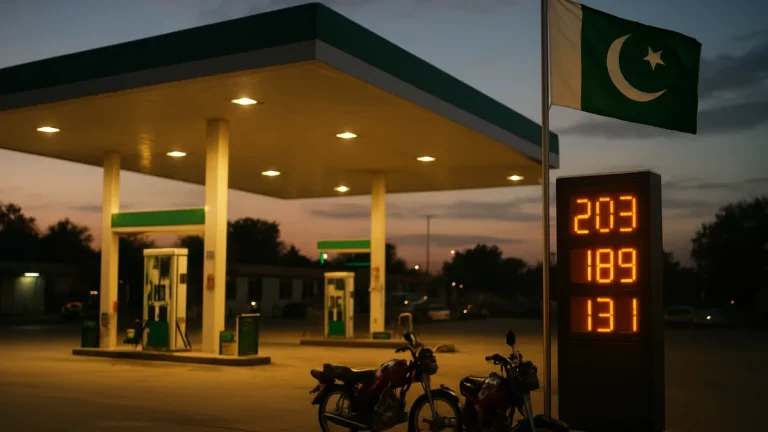
The Lahore High Court has recently been approached with a petition contesting the government’s decision to raise the prices of petroleum products. The petition specifically targets the increase of Rs8 per litre on petrol and Rs5.16 per litre on diesel, labeling these hikes as unjust and detrimental to the general public. This legal challenge comes at a time when Pakistan is already struggling with significant economic pressures, including soaring inflation and high unemployment rates.
The petitioner argues that the recent adjustments in fuel prices have not been aligned with the fluctuations in the international oil market, raising questions about the transparency and fairness of the government’s pricing mechanism. This disconnect, the plea suggests, undermines the constitutional rights of citizens by imposing an undue financial burden on them without proper justification. The petitioner insists that such unilateral increases exacerbate the hardships faced by ordinary Pakistanis, who are already coping with rising costs of living.
Furthermore, the petition highlights the broader economic implications of the fuel price hike. It warns that the increase will inevitably lead to a ripple effect, pushing up the prices of essential goods and services across the board. This domino effect could deepen the ongoing economic crisis, making it even harder for families to manage their daily expenses. The petitioner stresses that the government should consider the fragile state of the economy before implementing such measures that could further strain the public.
In light of these concerns, the petitioner has urged the Lahore High Court to intervene and declare the recent notification regarding the fuel price increase as null and void. The plea calls for a reassessment of the pricing policy to ensure it is fair, transparent, and in line with both constitutional provisions and the economic realities faced by the population. The court’s decision on this matter is eagerly awaited, as it could have significant implications for the country’s economic stability and the welfare of its citizens.
It is worth noting that fuel prices have a direct impact on various sectors, including transportation, agriculture, and manufacturing, all of which are vital to Pakistan’s economy. Any increase in petroleum costs tends to raise operational expenses, which are often passed on to consumers. Therefore, the petition not only reflects immediate public grievances but also underscores the need for a balanced approach to economic policymaking that safeguards both the economy and the people.