The Sindh government has officially declared March 3 and 4 as public holidays specifically for the Hindu community in observance of the vibrant Holi festival. This announcement came on Monday, highlighting the provincial administration’s recognition of the cultural and religious significance of Holi, one of the most celebrated festivals among Hindus. The move aims to facilitate the community’s participation in festivities without the constraints of work or school commitments.
In a statement, the provincial spokesperson Sukhdev Hemnani extended warm Holi greetings to the Hindu population across Sindh. He emphasized the government’s unwavering dedication to upholding religious freedom and safeguarding the rights of minorities within the province. Hemnani reiterated that the Pakistan Peoples Party-led administration remains committed to fostering an environment of equal citizenship, promoting inclusivity, and nurturing interfaith harmony among Sindh’s diverse communities.
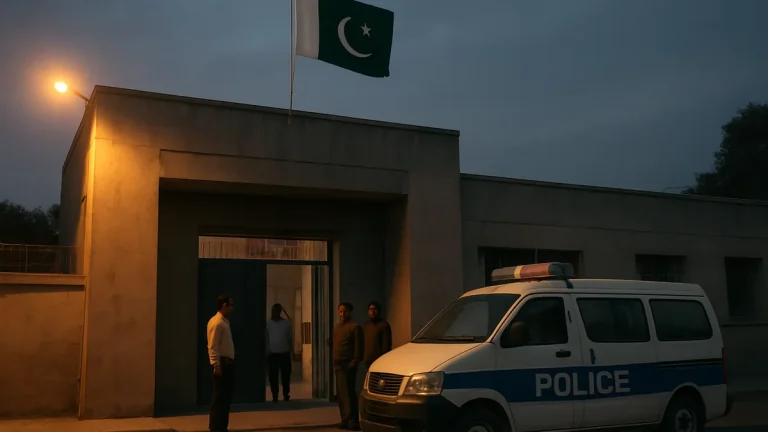
To ensure the safety and security of those celebrating, the provincial authorities have issued strict instructions to the Inspector General of Police (IGP) to implement comprehensive security measures at all Hindu places of worship and communal gathering spots. This directive aims to provide a secure atmosphere where devotees can observe their religious rituals and partake in cultural events without fear or disruption.
In addition to the holiday announcement, a related decision was made recently concerning the academic calendar. Sindh’s Universities and Boards Minister, Ismail Rahu, directed all educational boards to avoid scheduling examinations during the periods of Holi and Easter festivals. Specifically, no exams will be held from April 2 to April 6, allowing students from minority communities to celebrate these important occasions without academic pressure. The resumption of postponed or rescheduled exams has been set for April 7 onwards.
This adjustment in the examination timetable was prompted by a formal request from the principal of St Patrick High School in Karachi and was subsequently approved by Chief Minister Murad Ali Shah. Education boards have been instructed to promptly revise their exam schedules and submit reports confirming compliance with these directives. The government’s proactive approach underscores its respect for religious observances and its efforts to accommodate the cultural diversity within the province’s educational institutions.
Overall, these measures reflect Sindh’s ongoing commitment to protecting minority rights and promoting social cohesion. By officially recognizing important religious festivals and ensuring security and academic accommodations, the provincial government is working to create a more inclusive society where all citizens can freely celebrate their heritage and traditions.