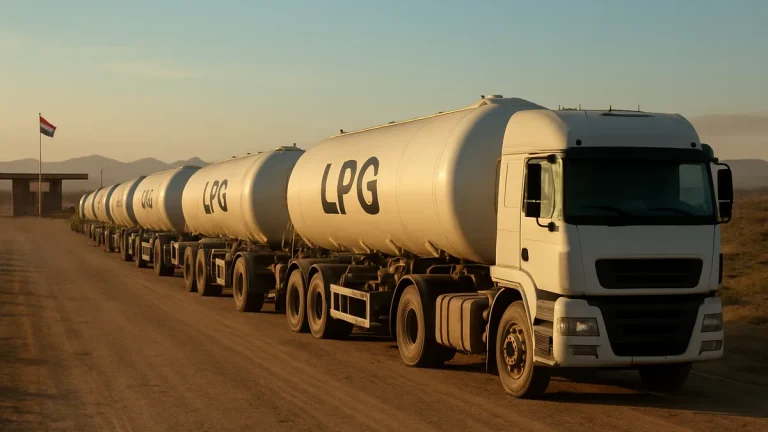
The Oil and Gas Regulatory Authority (OGRA) has recently declared a modest decrease in the prices of liquefied petroleum gas (LPG) throughout Pakistan. This decision was formalized through an official notification detailing the updated rates, signaling a slight relief for consumers who rely heavily on LPG for their daily cooking needs.
Under the new pricing structure, the cost of LPG has been trimmed by Rs0.21 per kilogram, bringing the revised rate down to Rs225.84 per kg. This adjustment translates into a reduction of Rs2.52 for the commonly used 11.8-kilogram domestic LPG cylinder, which will now be available at Rs2,664.88. The price change is set to be implemented nationwide, ensuring uniformity in LPG costs across all provinces and regions.
LPG remains a crucial energy source in Pakistan, especially in households and commercial establishments located in areas where natural gas pipelines have yet to reach. The fuel’s pricing is subject to periodic revisions, which are calculated based on prevailing market conditions and regulatory approvals. OGRA’s pricing mechanism aims to balance consumer affordability with market realities, adjusting rates to reflect fluctuations in international and domestic supply and demand.
It is important to note that this recent price reduction follows a significant increase earlier this year. On January 31, 2026, OGRA had raised LPG prices by Rs6.37 per kilogram, which resulted in the price per kg reaching Rs226.6. Consequently, the price of an 11.8-kg cylinder surged by Rs75.21, pushing the cost to Rs2,667.40. This hike was also officially notified and came amid rising global energy costs and inflationary pressures impacting Pakistan’s energy sector.
With the latest downward revision, consumers may find some respite from the earlier steep increase, although the overall price remains relatively high compared to previous years. The government and regulatory bodies continue to monitor the energy market closely, aiming to stabilize prices while ensuring adequate supply for domestic and commercial users. As LPG remains a vital component of Pakistan’s energy mix, such adjustments are closely watched by households, businesses, and policymakers alike.