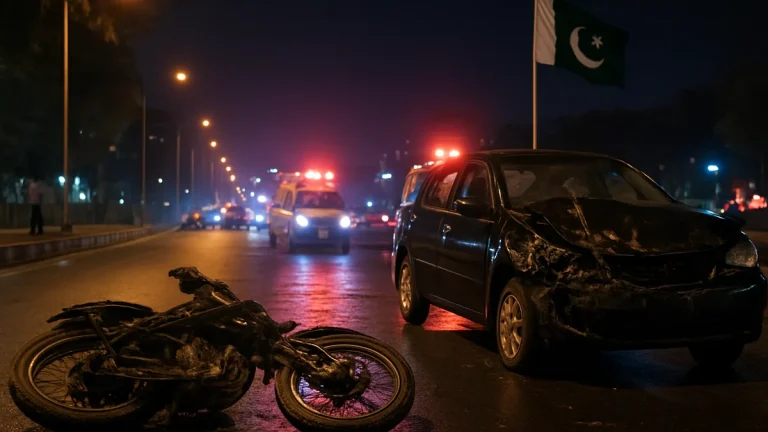
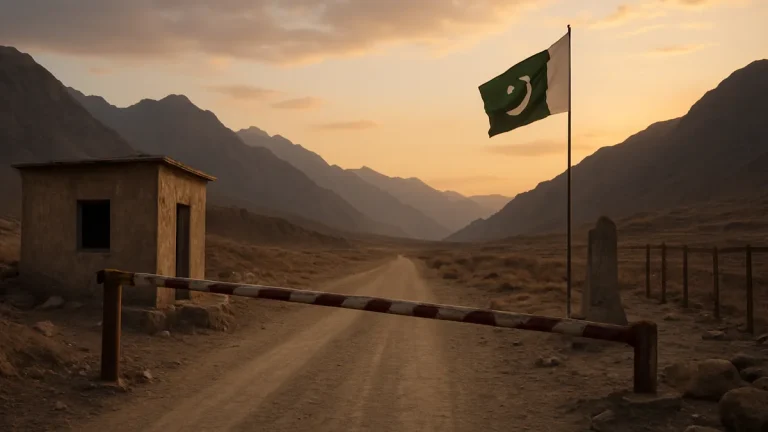
In response to escalating violence and a rapidly deteriorating law and order situation, the Gilgit-Baltistan administration imposed a strict curfew on Monday and called in the Pakistan Army to restore stability in the region. This drastic measure followed widespread unrest triggered by the assassination of Iran’s Supreme Leader, Ayatollah Ali Khamenei, in a US-Israel strike, which sparked protests across Pakistan, including in the northern territories of Gilgit and Skardu.
The protests quickly turned violent, with demonstrators targeting several important government and community institutions. Among the buildings set on fire were the offices of the United Nations Military Observer Group in India and Pakistan (UNMOGIP), located in both Gilgit and Skardu. Additionally, a local school, the office of the Superintendent of Police, and the Agha Khan Rural Support Programme (AKRSP) office suffered significant damage due to arson. These attacks underscored the severity of the unrest and the urgent need for decisive action by authorities.
In light of these developments, Deputy Home Secretary Ghulam Hasan issued an official notification outlining the imposition of a curfew and requesting the deployment of military forces to the affected districts. The notification highlighted concerns that the volatile situation could worsen further, especially in the key districts of Gilgit and Skardu, where protests had intensified. To prevent additional violence and safeguard lives and property, the curfew was ordered to be enforced immediately for an initial period of three days, covering March 2, 3, and 4.
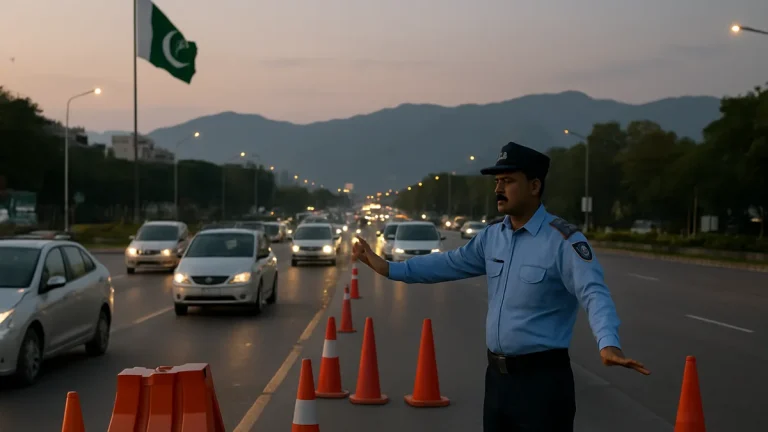
Meanwhile, Gilgit-Baltistan’s Inspector General of Police, Akbar Nasir, addressed the public through a video statement, emphasizing that the security response would be a coordinated effort involving not only the army but also the police, Rangers, and Frontier Corps personnel. He assured citizens that these forces would remain actively deployed on the streets to maintain order and protect the community. The IGP also clarified that the curfew would be relaxed solely for humanitarian reasons, specifically to allow funeral prayers and burial ceremonies to take place.
To minimize the risk of further unrest during these sensitive gatherings, the police have restricted attendance at funerals and burials to local residents of Gilgit only. People traveling from outside the city or other districts have been explicitly barred from participating in these events. This measure aims to prevent the influx of external agitators and reduce the chances of additional clashes. Authorities have appealed to the public to cooperate fully with law enforcement agencies and to avoid venturing outside their homes unless absolutely necessary during the curfew period.
The situation remains tense as security forces continue their efforts to stabilize the region. The government’s swift imposition of a curfew and the deployment of the army reflect the seriousness with which officials are treating the unrest. Residents of Gilgit-Baltistan are urged to remain calm and support the authorities in restoring peace to their communities during these challenging times.